
SEO Keywords for Therapists That Connect You With Patient Searches
Choosing the right SEO Keywords for Therapists means understanding how prospective patients actually search for care. Some searches focus on a therapy specialty, others describe a concern, treatment approach, provider type, or location. Your keyword strategy needs to account for each of these paths. We research patient search behavior, keyword difficulty, local demand, specialty terms, and search intent to identify realistic opportunities for your practice. Then we map those keywords to the right service pages, location pages, and educational content so every target has a clear purpose.
Find the Keywords Your Future Patients Actually Use
We research therapy specialties, symptoms, treatment approaches, provider types, and local search patterns to uncover the phrases prospective patients use when looking for care online.
Separate High-Intent Keywords From Research Queries
We distinguish searches tied to appointment intent from informational questions, then organize keyword opportunities by service, location, concern, and stage of the patient journey.
Map Every Keyword to the Right Page
We connect each priority term with the most relevant service page, location page, FAQ, or supporting article so your content strategy has a clear search purpose instead of targeting keywords at random.
15–30 minutes. Practical keyword insights. No obligation.
Trusted to Grow Practices People Actually Find











Why Choosing the Wrong SEO Keywords Can Limit Patient Visibility
Therapy practices often target keywords that are too broad, too competitive, or disconnected from how prospective patients actually search. A stronger keyword strategy focuses on relevance, intent, location, specialty, and realistic ranking opportunities.

Broad Keywords Can Miss the Real Search Intent
Terms like "therapy" or "therapist" may generate large search volumes, but they do not always reflect what a prospective patient actually needs. More specific keywords can connect your practice with searches tied to services, concerns, treatment approaches, and location.

High-Volume Keywords Are Not Always the Best Targets
A keyword can look attractive because of search volume while being too competitive or too general for your current website authority. Better planning balances demand with ranking difficulty, relevance, and the likelihood of attracting the right patient.

Local and Specialty Keywords Need Different Pages
A phrase like "therapist in Brooklyn" should not compete on the same page as "EMDR for trauma" or "couples counseling." Different keyword groups need dedicated content that closely matches the intent behind each search.

Keyword Cannibalization Can Weaken Rankings
When several pages target the same or very similar phrases, search engines may struggle to understand which page should rank. Clear keyword mapping helps each service, location, and supporting article serve a distinct search purpose.
Building a Keyword Strategy Around Real Patient Search Behavior
We organize keyword opportunities by specialty, location, patient concern, treatment approach, and search intent so every target supports a clear page, topic, or growth objective.
Research How Patients Actually Search
We analyze therapy-related queries, specialty terms, symptoms, treatment approaches, provider searches, and local phrases to understand the language prospective patients use throughout their search journey.
Prioritize Keywords by Intent and Opportunity
We compare relevance, search demand, competition, current rankings, and website authority to identify terms your practice can realistically pursue instead of chasing every high-volume phrase.
Separate Local, Service, and Specialty Terms
We group geographic keywords, therapy services, treatment methods, and condition-related searches into distinct clusters so each type of intent can be supported by the right page.
Map Keywords to the Right Website Pages
Each priority keyword is assigned to a service page, location page, FAQ, or supporting resource to prevent overlap and create a more organized content architecture.
Expand Into Questions and AI Search Topics
We identify conversational queries and patient questions that can support FAQs, educational content, and direct answers designed for traditional search and emerging AI-driven discovery.
Refine Keywords With Real Search Data
Our SEO Keywords for Therapists strategy uses Search Console queries, ranking movement, organic traffic, and patient inquiry data to uncover new terms, improve existing targets, and remove low-value opportunities.
How We Turn Keyword Research Into a Clear Content Strategy
Keyword research only becomes useful when each term has a defined purpose. We organize therapist keywords by patient intent, specialty, location, treatment approach, and content type so your website can target the right searches without creating unnecessary overlap.
Group Keywords by Patient Intent
We separate local searches, specialty terms, treatment methods, condition-related phrases, and informational questions to understand what prospective patients are trying to find at each stage of their search.
→Assign Each Keyword to the Right Page
Priority terms are mapped to service pages, location pages, provider content, FAQs, or supporting articles so every page targets a distinct search opportunity instead of competing with another page on your own site.
→Build Content Around the Keyword Cluster
We use related phrases, patient questions, supporting topics, and internal links to create stronger topical coverage while keeping the content natural, useful, and focused on the search intent behind the target keyword.
Five Stages From Keyword Discovery to Search Growth
Discover How Prospective Patients Search
We analyze real search behavior around therapy specialties, symptoms, modalities, locations, provider types, and patient questions to build an initial universe of relevant keyword opportunities.
Find the Keywords Worth Targeting First
We compare search demand, ranking difficulty, business relevance, patient intent, current positions, and your website authority to determine which opportunities deserve priority.
Give Every Search Term a Clear Destination
Keywords are grouped into logical clusters and assigned to the most appropriate existing or planned pages, helping prevent cannibalization and creating a cleaner SEO structure.
Turn Keyword Clusters Into Useful Pages
We develop or improve service pages, specialty content, location pages, FAQs, and educational resources around the search intent and supporting terms within each keyword group.
Expand the Keyword Strategy With Real Search Data
Our SEO Keywords for Therapists strategy uses Search Console queries, ranking movement, organic traffic, patient inquiries, and newly emerging terms to continuously improve targeting and uncover additional opportunities.
SEO Keyword Services Built Around How Patients Search
Effective keyword research goes beyond collecting high-volume terms. We organize therapist search opportunities by specialty, location, treatment approach, patient concern, and search intent so each page targets a clear and relevant opportunity.
Local Therapy Keyword Research
We identify city, neighborhood, "near me," and service-area searches that can support location pages and local landing pages designed around where prospective patients are looking for care.
Google Business Profile Agency →Question & AI Search Keywords
We research conversational queries, patient questions, and answer-focused topics that can support FAQs, educational resources, AI visibility, and content designed for emerging search experiences.
AEO & GEO Agency →Competitive Keyword Gap Analysis
We compare your rankings with competing therapy practices to identify terms they rank for, topics your site does not cover, and opportunities where stronger content could expand your organic footprint.
Link Building Agency →Keyword-to-Content Mapping
We assign keyword clusters to service pages, location pages, FAQs, and supporting articles so every target has a clear destination and your website avoids unnecessary keyword overlap.
Blog Writing Agency →Specialty & Treatment Keyword Strategy
Our SEO Keywords for Therapists strategy identifies terms around specialties, modalities, symptoms, treatment approaches, and patient needs so your practice can target searches that closely match the care you provide.
Keyword Strategy Agency →Search Console Keyword Expansion
We use real Google Search Console data to uncover new queries, rising terms, impressions without clicks, and existing ranking opportunities that can be strengthened through content updates and better page targeting.
Google Search Console Agency →What Compounding Therapy SEO Looks Like
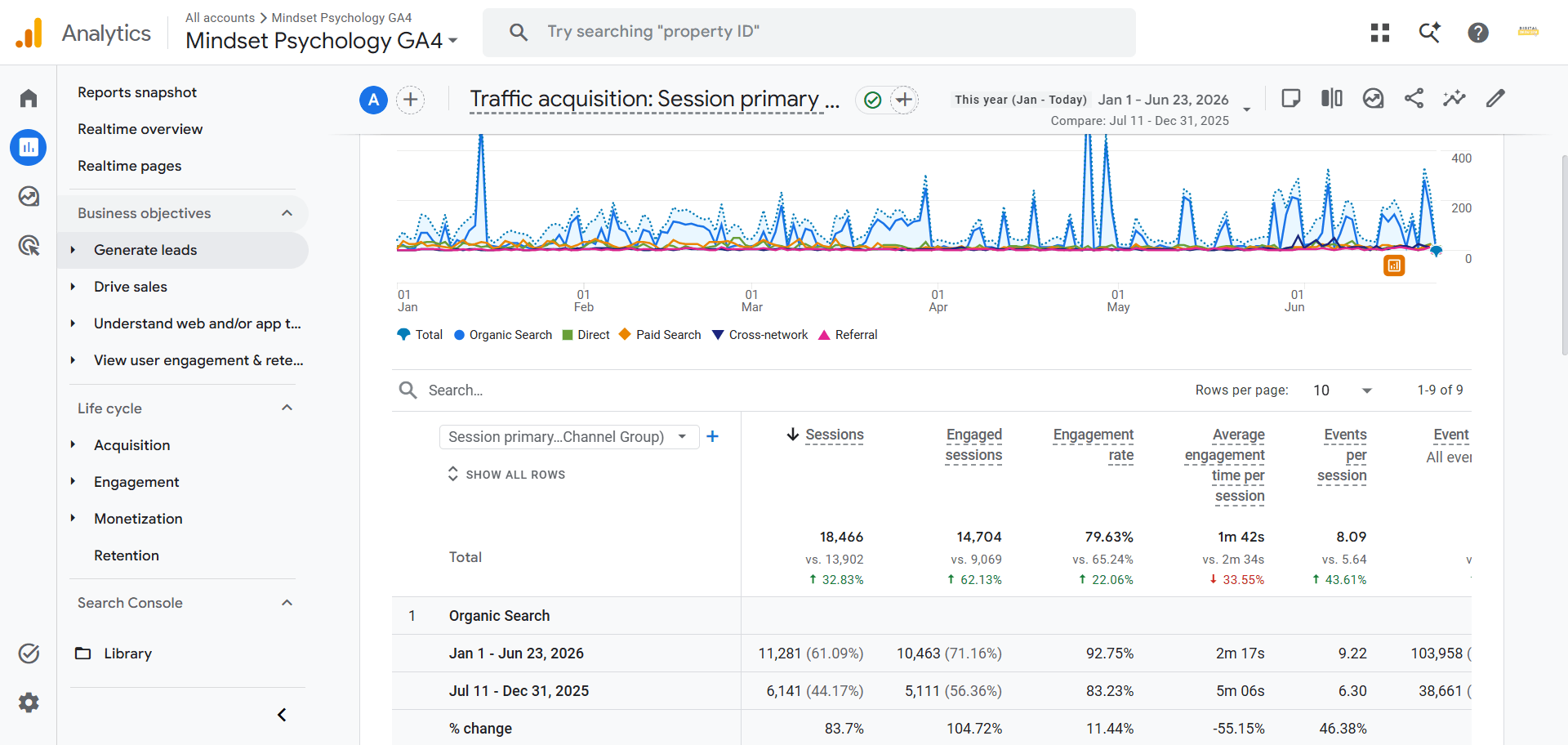
Organic Clicks, Six-month Trend
A Search Console-style line of organic clicks climbing over six months. SEO compounds — small early technical wins, then exponential lift as specialty and location pages stack up.
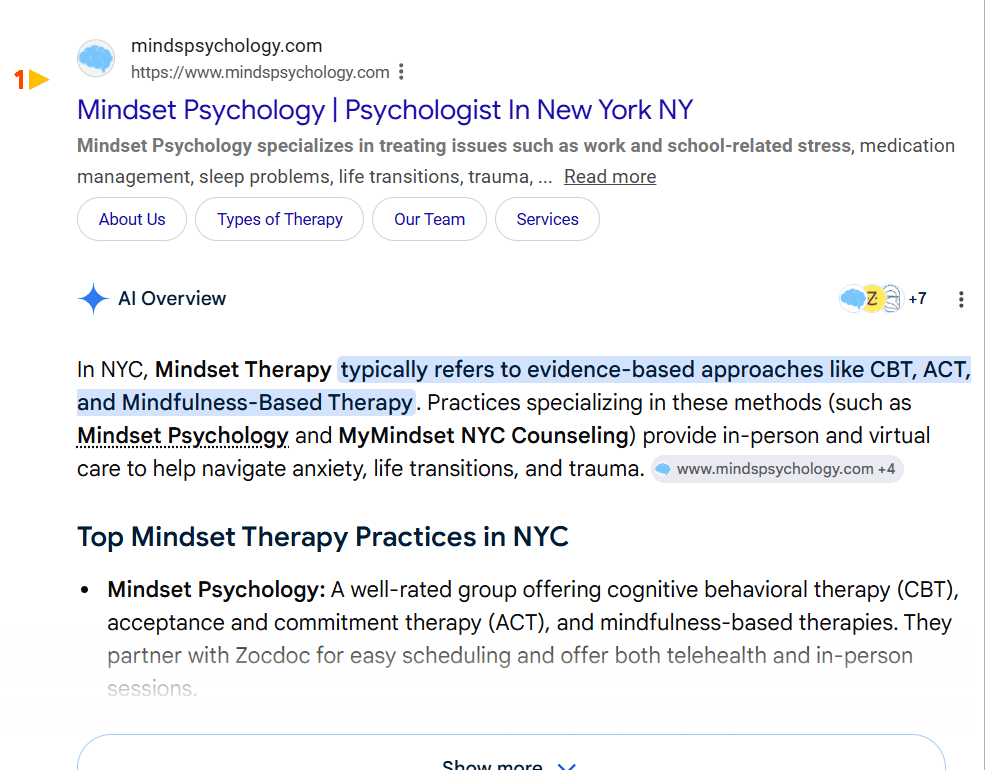
Top-3 Rankings Snapshot
Top-3 placement for a high-intent specialty query. About 75% of clicks go to the top three results.
Real Results for Therapy and Healthcare Clients
Every engagement is different — here's what compounding SEO and targeted SEM have produced for practices like yours.
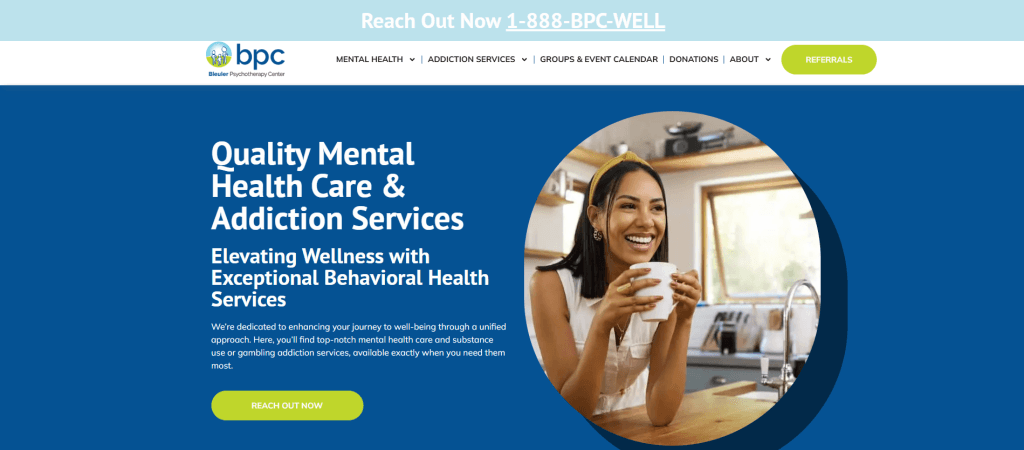
Bleuler Psychotherapy Center

Humantold

Mindset Psychology
What Practice Owners and Clients Say
From solo therapists to multi-site groups — here's what working with Digital Drew SEM looks like from the other side.

We've worked with Drew and Georgia for a couple of years and have been very happy with the results. They are fast to respond and always keep us updated on the progress of our ads or suggested changes they think we should make to increase performance success rates.

Amazing experience. Highly Recommend!!

We've been working with DigitalDrew for our Google Ads, Meta Ads, and SEO for a while now, and the results speak for themselves. The team is proactive, detail-oriented, and always ahead of platform changes. They've caught issues before they became problems and are quick to adjust strategy when something isn't working. Reporting is clear and easy to understand, and they take the time to actually walk us through performance versus just sending numbers. It genuinely feels like a partnership, not just a vendor relationship. Highly recommend them for any practice looking to grow through paid ads and SEO.

Thanks to Digital Drew SEM's efforts, the client has seen improved search rankings, increased website traffic, and more high-quality leads. The team is organized, responsive, and collaborative. They deliver work on time and are flexible in adapting to the client's changing needs.
Digital Drew SEM vs the Alternatives
| What You Get | ⭐ Digital Drew SEM | Generic SEO Agency | Directories (PT / BetterHelp) |
|---|---|---|---|
| Understands Therapy Search Intent | ✓ Yes | ⚠ Rarely | — N/A |
| Local + Condition SEO Together | ✓ Yes | One or Neither | ✕ No |
| Dedicated Senior Team | ✓ Yes | Junior Account Manager | ✕ No |
| Technical + Content Under One Roof | ✓ Yes | Often Split | ✕ No |
| Reports Your Front Desk Can Read | ✓ Yes | PDF Data Dump | ✕ No |
| You Own The Asset & Rankings | ✓ Yes | Usually | ✕ You Rent It |
Straight Talk on What it Costs
We scope SEO to your practice on the audit call — a solo practice and a multi-clinician group don't need the same number of pages or the same depth of technical work. Transparent monthly retainer, no inflated promises.
Solo Practice
A leaner scope focused on your core specialty and local pages — built to compound without overcomplicating things.
Multi-clinician Group
Broader scope covering multiple specialties, locations, and clinician bios — with deeper technical and content work.

Why I Take this Niche Seriously
I built Digital Drew SEM after years running marketing for Fortune 500 companies and leading agencies, on one premise: you deserve a team accountable to revenue — not one hiding behind jargon and vanity metrics.
I've watched good clinicians pour money into agencies that ran generic SEO, ignored how people actually search for help, and reported on traffic while the calendar stayed empty. That's the gap we close. I'm personally in these accounts. If we're not the right fit, I'll tell you on the call.
Target the Questions Patients Ask Google and AI
Therapist keyword research is changing as prospective patients use longer, more conversational searches across Google, AI Overviews, ChatGPT, and other answer-driven platforms. We identify the questions, concerns, specialties, and treatment terms that can shape a broader search strategy for your practice.
A strong SEO Keywords for Therapists strategy includes more than traditional short phrases. We research conversational questions, local terms, specialty searches, treatment-related queries, and supporting topics that can help your content address different types of patient intent.
The goal is to understand the language prospective patients use and turn those searches into useful pages, FAQs, and resources that search and AI systems can clearly interpret.
Book My Free Therapist Keyword Audit →Build Keyword Clusters by Topic
We group related terms around specialties, treatment approaches, patient concerns, locations, and provider searches instead of treating every keyword as an isolated target.
Research Conversational Questions
We uncover the longer questions prospective patients may ask when researching therapy, comparing approaches, understanding treatment options, or looking for a provider.
Match Keywords With Patient Intent
We distinguish appointment-focused searches from educational and comparison queries so each keyword can lead to content that matches what the searcher needs.
Expand From Real Search Data
Search Console queries, ranking changes, impressions, and content performance help reveal additional keyword opportunities that can be incorporated into future pages and updates.
Common Questions About Choosing SEO Keywords for Therapy Practices
Useful keywords are closely connected to the services your practice provides and the searches prospective patients make. These can include specialty terms, therapy modalities, location-based phrases, provider searches, and questions related to the concerns your practice addresses.
A balanced strategy usually includes both, but specific terms can provide clearer intent. Instead of focusing only on a broad phrase such as "therapist," a practice may also target searches related to a particular specialty, treatment approach, location, or type of therapy.
We research search demand, current rankings, competitors, Search Console data, related queries, local terms, therapy specialties, treatment approaches, and patient questions. We then evaluate those terms based on relevance, intent, competition, and realistic ranking potential.
Not necessarily one keyword per service. A stronger approach is to build a relevant keyword cluster around each important service or topic. Closely related phrases can often be targeted together when they share the same search intent, while substantially different searches may need separate pages.
Yes, especially for practices serving patients in defined geographic areas. City, neighborhood, service-area, and "near me" searches can help shape location-focused pages and local optimization while specialty keywords address the specific care patients are seeking.
Keyword research should be revisited as your services, locations, search performance, and patient demand change. Search Console data can also uncover new queries that were not part of the original strategy and may deserve stronger content or optimization.
Turn Patient Searches Into a Smarter Keyword Strategy
Book a free keyword audit and we'll review how your therapy practice is currently targeting search demand, where keyword gaps exist, and which opportunities could strengthen your organic strategy.