
AdWords for Therapists That Helps Your Practice Reach More Patients
Put your therapy practice in front of people searching for professional support at the right moment. Our AdWords for Therapists strategy uses service-specific keywords, precise location targeting, patient-focused ad messaging, dedicated landing pages, and conversion tracking to attract relevant patient inquiries and improve advertising efficiency.
Free practice marketing audit
We review your website, your local search visibility, and your ad account if you're running one, and show you exactly where prospective Patients are falling away. No prep, no pitch.
Find the Gaps Limiting Patient Inquiries
We review keyword targeting, ad relevance, specialty alignment, landing pages, geographic settings, and conversion tracking to identify where your paid search strategy may be losing qualified patient opportunities.
Launch With a Clear Patient Acquisition Plan
We build around the therapy services you want to grow, then refine campaigns using search-term quality, booked appointments, form submissions, and other meaningful patient actions.
15–30 minutes. Practical recommendations. No obligation.
Trusted to Grow Therapy Practices with AdWords That Attract More Patients











Why AdWords for Therapists Can Miss Valuable Patient Opportunities
People searching for therapy often use very specific language tied to their concerns, preferred services, location, availability, or insurance needs. If your paid search strategy does not match that intent closely, budget can be spent on clicks that never turn into patient inquiries or appointments.

Broad Keywords Can Attract the Wrong Searches
Terms related to therapy can trigger searches from students, job seekers, researchers, other clinicians, or people looking for services your practice does not offer. Focused keyword groups and negative keywords help keep spend closer to relevant patient intent.

One Ad Message Cannot Fit Every Therapy Service
Someone searching for couples therapy may need different information than a person looking for trauma support, anxiety therapy, EMDR, or teen counseling. Separate campaigns create better alignment between the search, ad, and landing page.

Landing Pages Can Create Too Much Friction
Patients often want to know who you help, how appointments work, whether you offer telehealth, and how to schedule. A generic homepage or complicated form can make the next step feel harder than it needs to be.

Clicks Alone Do Not Show Patient Acquisition
A campaign can generate traffic without producing meaningful appointments. Better tracking connects paid search activity with calls, consultation requests, forms, and bookings so optimization is based on patient actions instead of surface-level metrics.
Building Paid Search Around the Way Patients Look for Therapy
We combine service-specific keyword targeting, thoughtful ad messaging, focused landing experiences, conversion tracking, and ongoing campaign refinement to help therapy practices attract more relevant patient inquiries.
Therapy Search Intent Research
We study how people search for your specialties, locations, treatment options, and appointment availability so campaigns can focus on terms that better reflect genuine patient needs.
Service-Specific Campaign Structure
We organize campaigns around distinct offerings such as anxiety therapy, couples counseling, trauma therapy, OCD treatment, EMDR, or other specialties so each ad group stays closely aligned with search intent.
Patient-Focused Ad Messaging
We write clear, respectful ads around services, availability, location, and next steps without relying on language that feels overly clinical, vague, or disconnected from what people are searching for.
Landing Pages Built for Clarity
Each destination page is designed to explain the relevant therapy service, introduce the practice, answer common questions, and make scheduling or contacting the office straightforward.
Conversion Tracking That Reflects Real Actions
We track meaningful events such as calls, consultation forms, appointment requests, and online bookings so campaign decisions are based on patient acquisition activity rather than clicks alone.
Optimize Around Better Patient Inquiries
Our AdWords for Therapists strategy uses search-term quality, conversion rates, cost per inquiry, booked appointments, and campaign efficiency to determine what should be expanded, refined, or paused.
How We Turn Therapy Searches Into Patient Opportunities
Before campaigns launch, we study your services, search demand, geographic market, existing account data, and patient journey to build a paid search strategy around relevant inquiries rather than unnecessary clicks.
Understand How Patients Search
We research therapy specialties, treatment-related searches, local intent, competitor advertising, and search-term patterns to find opportunities that closely match the services your practice provides.
→Connect Keywords, Ads, and Landing Pages
We organize campaigns by therapy service and align each keyword group with relevant ad messaging and a focused landing experience, creating a clearer path from the initial search to an appointment request.
→Improve Campaigns Using Patient Actions
Calls, forms, consultation requests, appointment bookings, and search-term quality help us identify where budget is producing meaningful activity and where campaigns need further refinement.
Five Stages From Ad Audit to More Patient Inquiries
Find Where Ad Spend Is Being Lost
We examine keywords, search terms, geographic settings, campaign structure, ads, landing pages, conversion tracking, and existing performance to uncover the areas that need attention first.
Map Patient Search Intent
We identify searches connected to your therapy specialties and locations, then separate higher-intent opportunities from informational or irrelevant queries that can consume advertising budget.
Create Focused Patient Journeys
We build service-specific campaign groups, write relevant ads, add negative keywords, refine location targeting, configure meaningful conversions, and connect traffic with appropriate landing pages.
Learn From Real Search Activity
After launch, we evaluate actual search terms, patient actions, budget distribution, ad engagement, and conversion patterns to identify early opportunities for improving campaign efficiency.
Optimize Toward Better Patient Acquisition
Our AdWords for Therapists strategy uses conversion data, inquiry quality, appointment activity, keyword performance, and cost efficiency to continually refine where your advertising budget is invested.
Campaign Types We Manage for Different Growth Goals
Different businesses need different paid search strategies. We manage specialized Google Ads campaign types based on your products, services, audience, conversion model, and performance goals.
Google Shopping Campaigns
We organize product feeds, campaign structure, product groups, bidding, and performance data to help ecommerce businesses reach shoppers searching with clear purchase intent.
Google Shopping Ads Agency →Performance Max Management
We structure asset groups, audience signals, exclusions, conversion goals, and supporting data so Performance Max campaigns work alongside your broader account strategy instead of operating without direction.
Performance Max Agency →Conversion Tracking & GA4
We configure and verify calls, forms, purchases, bookings, and other meaningful actions across Google Ads and GA4 so campaign optimization is based on real conversion data.
Conversion Tracking & GA4 Agency →What Compounding Growth Looks Like for a Practice
Consultation requests, 90-day trend
Inquiries climbing as condition-specific pages start ranking, Google Business Profile signals strengthen, and booking friction gets removed.
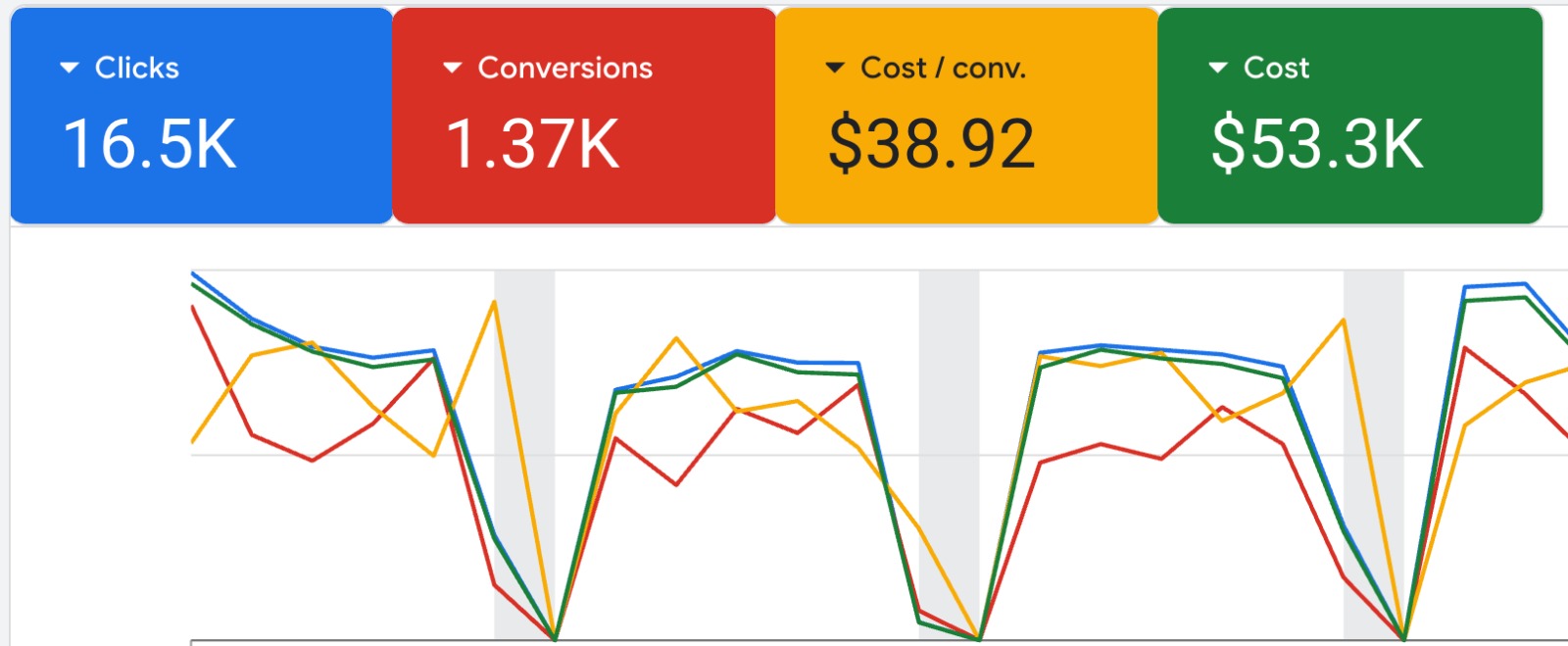
Before vs. after site and SEO restructure
A typical restructure replaces one generic services page with condition-specific pages and puts tracking behind every way a patient can reach you.
Real Results for Therapy Practices Like Yours
A relationship-focused practice doesn't market like a psychodynamic one, and a group practice with a dozen clinicians doesn't market like a solo practitioner. Here's what focused marketing has produced across practice types.

Mindset Psychology
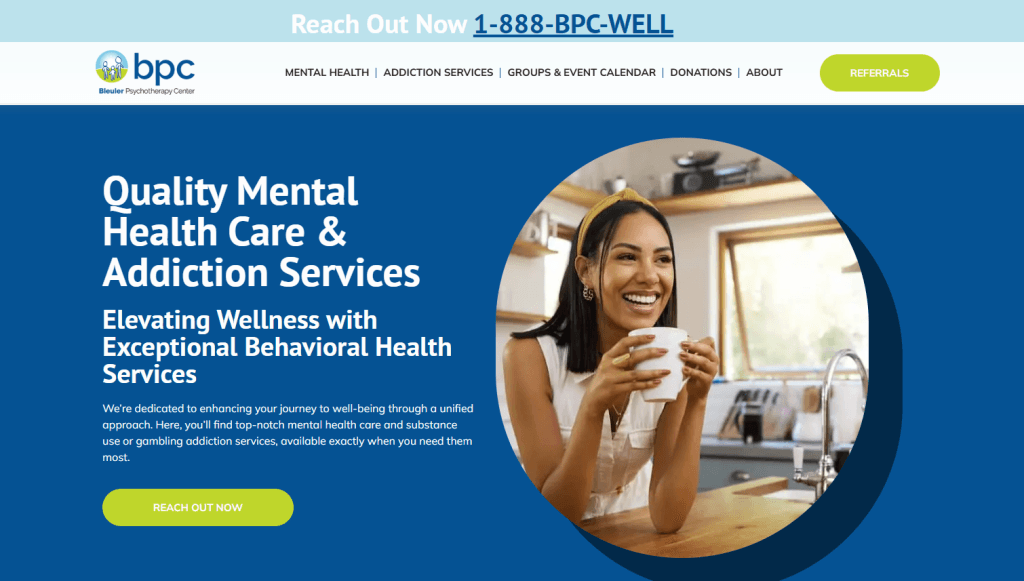
Bleuler Psychotherapy Center

Humantold
What Practice Owners Say About Working With Us

We've worked with Drew and Georgia for a couple of years and have been very happy with the results. They are fast to respond and always keep us updated on the progress of our ads or suggested changes they think we should make to increase performance success rates.

Amazing experience. Highly Recommend!!

We've been working with DigitalDrew for our Google Ads, Meta Ads, and SEO for a while now, and the results speak for themselves. The team is proactive, detail-oriented, and always ahead of platform changes. They've caught issues before they became problems and are quick to adjust strategy when something isn't working. Reporting is clear and easy to understand, and they take the time to actually walk us through performance versus just sending numbers. It genuinely feels like a partnership, not just a vendor relationship. Highly recommend them for any practice looking to grow through paid ads and SEO.

Thanks to Digital Drew SEM's efforts, the client has seen improved search rankings, increased website traffic, and more high-quality leads. The team is organized, responsive, and collaborative. They deliver work on time and are flexible in adapting to the client's changing needs.
A More Focused Approach to Therapist AdWords Management
| Campaign Focus | ⭐ Digital Drew SEM | General PPC Agency | In-House / DIY |
|---|---|---|---|
| Campaigns separated by therapy specialty | ✓ Built into strategy | ⚠ Depends on approach | ✕ Requires manual setup |
| Negative keyword and search-term management | ✓ Ongoing review | ⚠ Varies by agency | ✕ Time intensive |
| Patient-focused ad messaging | ✓ Therapy-specific | ⚠ May be more general | ✕ Requires ad expertise |
| Therapy service landing-page alignment | ✓ Campaign matched | ⚠ Depends on scope | ✕ Often handled separately |
| Meaningful conversion tracking | ✓ Calls, forms & bookings | ⚠ Tracking depth varies | ✕ Requires configuration |
| Optimization around patient inquiries | ✓ Core campaign focus | ⚠ May prioritize standard PPC metrics | ✕ Requires ongoing analysis |
| Visibility into campaign performance | ✓ Clear reporting | ⚠ Reporting varies | ✓ Direct account access |
Build an Ad Budget Around Your Practice and Patient Demand
There is no single advertising budget that works for every therapy practice. Search competition, location, specialties, patient demand, existing campaign data, and appointment capacity all influence the right starting point. Our AdWords for Therapists approach builds the campaign scope and advertising budget around the areas of your practice you actually want to grow.
Solo Therapists & Smaller Practices
Focus available budget on priority therapy services, relevant geographic areas, carefully selected keywords, and streamlined campaigns designed to reach patients actively searching for the care you provide.
Group Practices & Multi-Location Clinics
Build separate campaigns across specialties, clinicians, locations, and patient search intent while allocating budget according to demand, appointment availability, and performance data.

Why I Take Therapy Marketing Seriously
I built Digital Drew SEM after years running marketing for Fortune 500 companies and leading agency teams at IPG Mediabrands and Performics, and mental health is one of the categories where I've seen well-meaning marketing do the most harm when it's handled carelessly. Stock photos of someone staring out a rainy window. Copy that reads like a clinical intake form instead of something a person in distress would actually respond to.
That's not marketing, it's noise dressed up as outreach. The practices that grow are the ones whose websites sound like they understand what someone is going through before that person ever picks up the phone. I wrote about this kind of audience-first thinking in my book on AI and digital marketing, and it applies here more than almost anywhere else I've worked: get the language right, get the local visibility right, and make booking simple. Everything else follows from that.
I'm personally in these accounts. If we're not the right fit for your practice, I'll tell you on the call.
Reach Patients Across More Search Moments
A prospective patient may research a therapy concern, compare treatment options, review nearby practices, and check availability before deciding where to reach out. Paid search gives your practice an opportunity to appear during high-intent searches when someone is actively exploring therapy services.
Our AdWords for Therapists strategy connects service-specific campaigns with relevant landing pages and clear practice information, helping patients move from their initial search to the therapy service and appointment path that best matches what they need.
We use paid search data to understand which therapy services, search terms, locations, and messages generate meaningful patient actions, then use those insights to continually refine campaign performance.
Book My Free Google Ads Audit →Match Ads to Therapy Services
Separate campaigns for relevant specialties create a stronger connection between what a patient searches, the ad they see, and the information they reach after clicking.
Use Clear Patient-Focused Messaging
We develop respectful ad messaging around services, location, availability, and next steps while avoiding unnecessary clinical language that can make ads harder to understand.
Create a Better Post-Click Experience
Relevant landing pages give patients useful information about the therapy service they searched for and provide a straightforward way to request an appointment or contact the practice.
Learn From Patient Conversion Data
Calls, forms, appointment requests, search terms, and conversion patterns help us understand which parts of the campaign deserve more attention and which need adjustment.
Common Questions About Advertising a Therapy Practice
Yes. Therapy practices can use paid search to reach people actively looking for relevant services. Campaigns should be carefully structured around appropriate keywords, geographic targeting, platform policies, useful ad messaging, and landing pages that accurately represent the practice.
We research searches related to the services the practice provides, patient intent, geographic relevance, competition, and available search demand. We also review negative keywords and actual search terms to reduce traffic from irrelevant queries.
The appropriate budget depends on your location, specialties, competition, search volume, appointment capacity, and growth goals. We review market and keyword data before recommending a starting budget rather than applying the same spending level to every practice.
Yes. When a practice offers multiple services, campaigns can be separated by specialty so patients searching for couples therapy, anxiety support, trauma therapy, EMDR, or other services see ads and landing pages relevant to their search.
Dedicated pages can provide a more focused experience than sending every visitor to the homepage. They allow the practice to explain the specific therapy service, answer common questions, introduce relevant providers, and make the next step easier to understand.
We use focused keyword targeting, negative keywords, geographic settings, service-specific campaign groups, and ongoing search-term reviews. This helps identify unrelated searches and gives us data for continually refining who the ads are designed to reach.
Useful conversion actions can include appointment requests, consultation forms, qualified phone calls, and online bookings. Tracking these actions provides a clearer picture of campaign performance than relying only on clicks or impressions.
Stop Losing Patients Who Are Already Looking for Help
Book your free practice marketing audit. We'll review your SEO, local search visibility, and ad accounts together, show you the three biggest gaps, and give you an honest read on what it would take to fill your schedule.