
Put Your Products in Front of Buyers, Not Browsers.
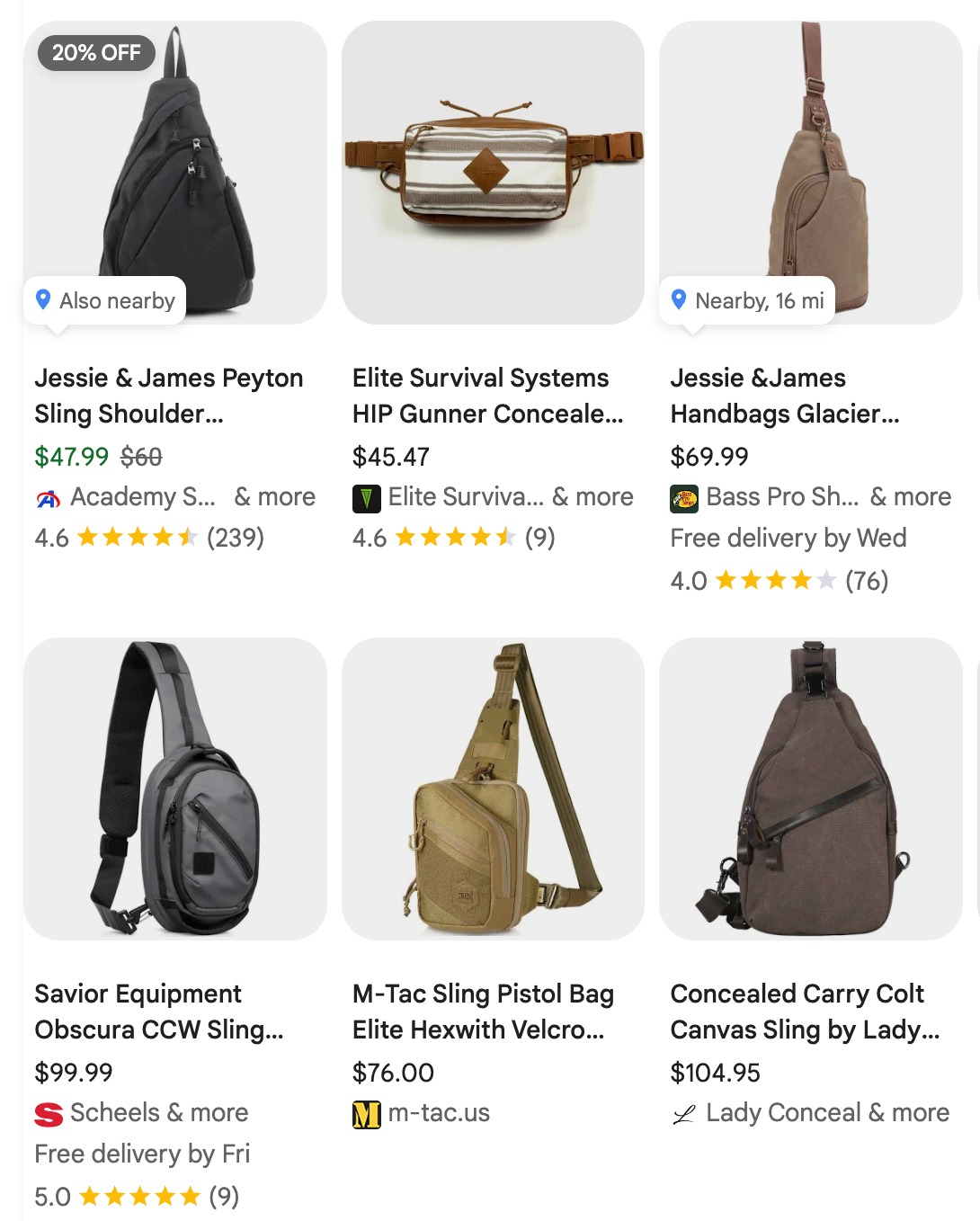
Someone in Manhattan just searched for the exact product you sell, and Google showed them a row of images with prices before a single blue link appeared. That's Google Shopping, and it's quietly become the biggest paid channel in ecommerce. Shopping ads now account for 76% of all retail search ad spend on Google — which means if your feed isn't optimized and your campaigns aren't structured right, you're handing that shelf space straight to a competitor.
We're a Google Shopping ads agency built around the part most businesses get wrong — the product feed. A beautiful campaign structure means nothing if your titles, images, and pricing data aren't feeding Google exactly what it needs to show your product first.
Free Google Shopping audit
We review your Merchant Center feed, your current campaign structure, and your product data, and show you exactly where you're losing visibility or wasting spend. No prep, no pitch.
An honest assessment
Three specific fixes — whether that's feed disapprovals, thin product titles, or a campaign structure that's bidding blind across your whole catalog — and what we'd act on first.
You decide
We're selective about which stores we take on, and we want you just as confident in us before a single dollar of budget moves.
15–30 minutes. No commitment. No pitch.
Trusted to Grow E-Commerce Businesses with Google Shopping Ads












Why Most Shopping Campaigns Underperform Their Potential
Here's the number that matters most: Shopping campaigns deliver a 5.1x average ROAS compared to 3.4x for Search, and the reason is simple.

Your product feed is the actual campaign, and it's been ignored
Google builds your Shopping ads directly from your Merchant Center feed. Product titles alone carry roughly 70% of Performance Max's matching signal, so a thin, generic, or keyword-poor title is costing you visibility before the auction even starts.

Feed disapprovals are quietly cutting your catalog in half
Missing GTINs, mismatched pricing, or policy violations get products silently disapproved. If you're not monitoring Merchant Center diagnostics weekly, you don't know how much of your catalog is actually eligible to show.

Your whole catalog is bidding the same way
Treating a $20 product and a $500 product identically wastes budget. Category-level bid segmentation based on margin and conversion data is what separates accounts that scale profitably from ones that just spend more.

You're not watching margin, just ROAS
A 4:1 ROAS is a strong return for a 65%-margin fashion brand and roughly break-even for a 25%-margin electronics retailer. A single blended ROAS target across your whole catalog can hide real losses on thin-margin products.
Full Shopping Management, Under One Roof
Same team running your Shopping campaigns and your broader Google Advertising account, so Shopping, Search, and Performance Max reinforce each other instead of competing for the same budget.
Merchant Center feed optimization
Title and description rewrites built around actual search terms, structured data cleanup, and ongoing disapproval monitoring so your full catalog stays eligible to show.
Standard Shopping and Performance Max campaign structure
Category and margin-based campaign segmentation, so high-value products get the bid attention they deserve instead of getting averaged out by your lowest-margin SKUs.
Bid strategy built around real profitability
Target ROAS and target CPA strategies set at the category or product-group level, not one number applied blindly across an entire catalog.
Cross-channel Shopping visibility
Coordination with your Meta Ads and SEO strategy, since a product ranking organically and showing in Shopping ads simultaneously captures more of the buyer's attention at a lower blended cost.
Landing page and site speed review
Shopping traffic is only as valuable as the page it lands on. We flag speed and conversion issues on your product pages as part of every engagement, since 1-second load times convert at roughly 3.05% compared to 0.67% at five seconds.
Conversion tracking built to match
Shopping campaigns are only as good as the data feeding their bid algorithms. We verify enhanced conversions and proper attribution are in place before scaling any Shopping account.
How We Build a Shopping Strategy: Feed First, Then Campaigns
Nothing gets restructured until we know your feed is clean and your product data actually reflects how people search.
Feed and catalog audit
We review your Merchant Center account for disapprovals, thin titles, and missing attributes, and map your catalog by margin and search volume.
→Campaign architecture by category and margin
You see the full plan — campaign segmentation, bid strategy by product group — before anything changes in your live account.
→Launch, track, and optimize monthly
Full conversion tracking verified before scaling spend, with weekly monitoring on feed health and bid performance.
Five Steps to a Shopping Feed That Actually Sells
Free Google Shopping audit
Merchant Center health, current campaign structure, and product data reviewed together. Yours to keep regardless of what happens next.
Feed and keyword mapping
A written plan covering title rewrites, category structure, and where your catalog is losing visibility against competitors' feeds.
Feed cleanup and campaign rebuild
Title and attribute optimization, campaign segmentation by margin and category, all approved before launch.
Launch and early optimization
Everything goes live with conversion tracking verified. First two weeks focus on clearing disapprovals and stabilizing bids.
Reporting tied to margin, not just ROAS
A monthly call and a one-page report showing performance by category and margin band, not one blended number that hides where you're actually profitable.
What a Properly Structured Shopping Account Looks Like
ROAS by product category, 90-day trend
Category-level ROAS diverging as bid strategy adjusts to real margin data, with underperforming SKUs deprioritized and high-margin products getting more budget.
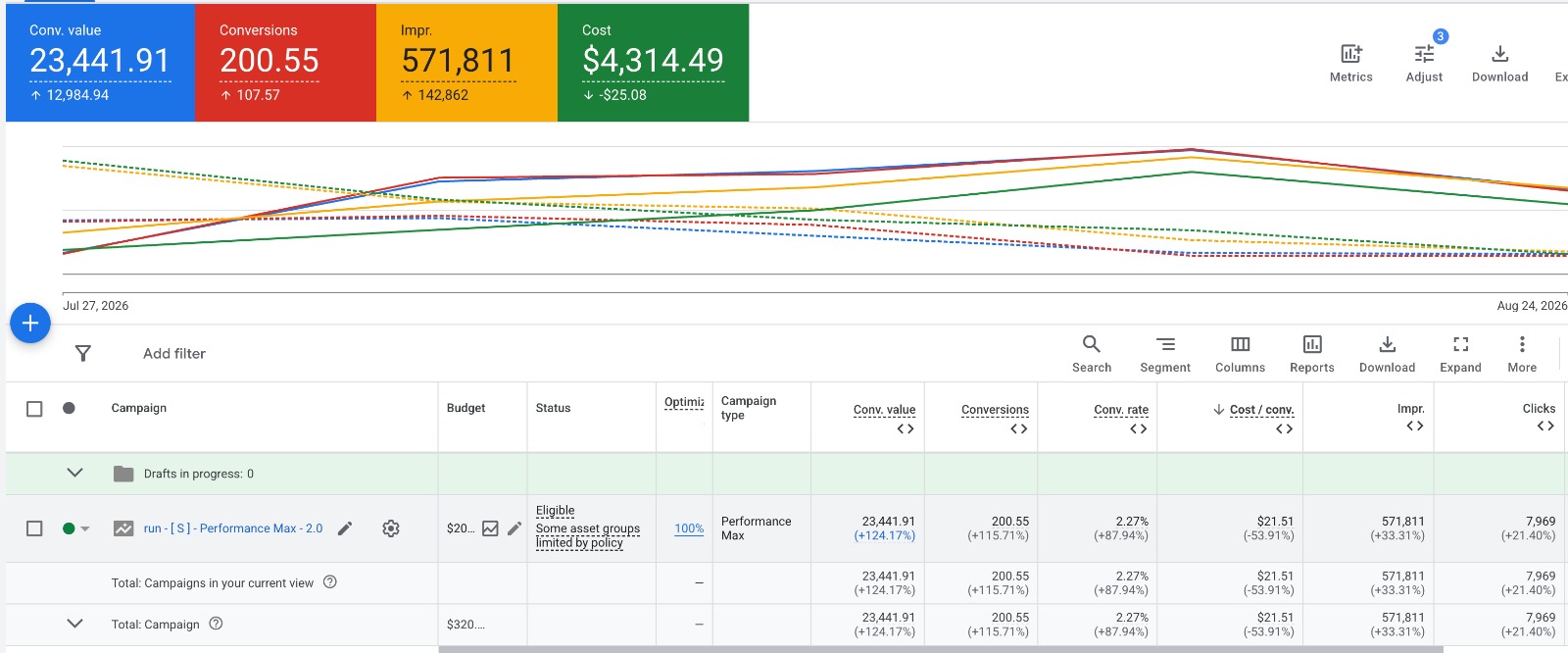
Before vs. after feed optimization
Feed cleanup and category-level bid segmentation reshape performance — generic titles rewritten, disapprovals cleared, and budget aligned to real margin instead of one blended number.
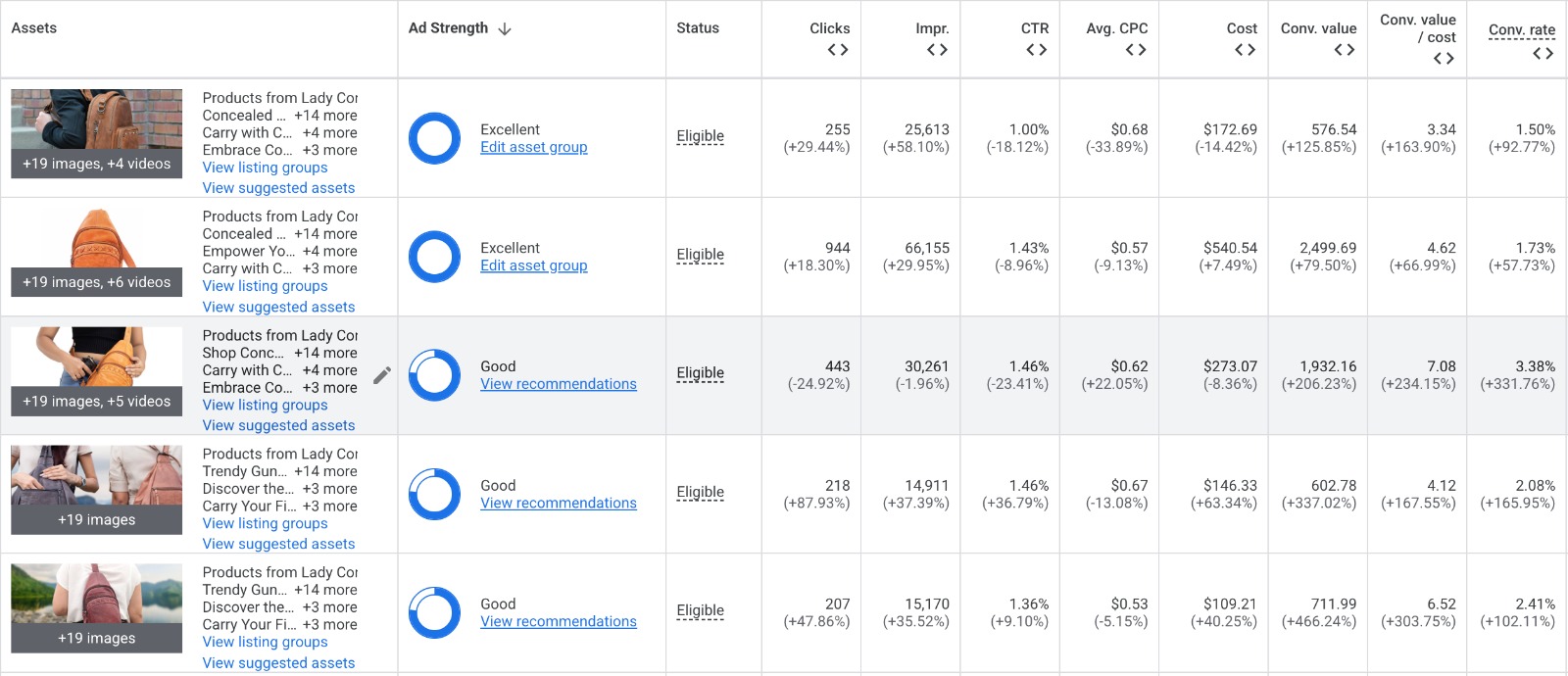
Real Shopping and Ecommerce Results
See how strategic Google Shopping campaigns help ecommerce brands drive more qualified traffic, sales, and measurable growth.
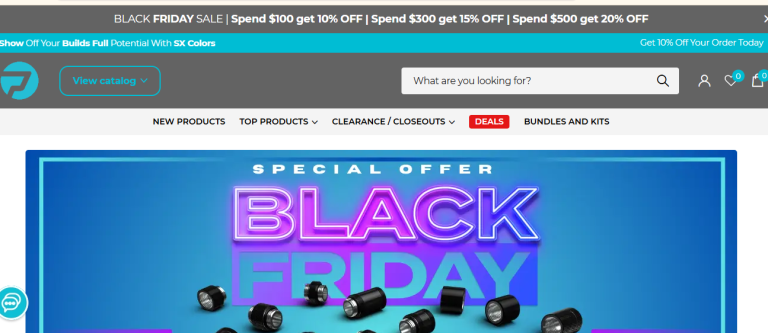
Primochill
A leading supplier of custom liquid-cooling systems for gamers and PC builders. Paid campaigns drove over 333 additional purchases and $68,832.66 in conversion value.
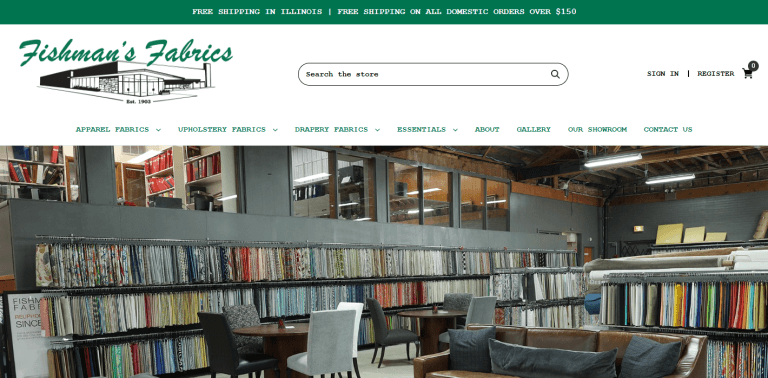
Fishman’s Fabrics
One of Chicago's most recognized fabric retailers. Organic traffic climbed 44.27%, with new users up 46.66%, complementing paid channel performance across the catalog.

UC Leather
A family-owned leather goods brand selling nationwide. Conversions grew by over 1,015, generating roughly $101,928 in additional revenue.
What E-Commerce Businesses Say About Our Google Shopping Ads Management
Hear from businesses that trust our Google Shopping expertise to drive qualified traffic, increase conversions, and grow online sales.

We have been working with Digital Drew SEM for just over a month and a half, and the results have been outstanding. Our sales have already doubled. What sets Drew apart is that you actually work directly with him, not just a coworker or junior account manager like most other advertising companies. His knowledge of Google, Meta, and SEO is exceptional, and with his guidance, expertise, and experience, we feel confident our business will continue to grow and reach new heights.Another major advantage is his pricing. Unlike many advertising companies in the U.S. that charge extremely high rates, Digital Drew offers reasonable pricing without compromising quality.We couldn’t be happier with the results so far and would highly recommend Digital Drew SEM to anyone looking to grow their business through digital advertising.

Drew and his team have been a pleasure to work with! Very knowledgeable on SEO and management of PPC campaigns. Thanks Drew and team!

Drew and his team are awesome. They are responsive, knowledgeable, and genuinely invested in helping our business grow. They consistently deliver exceptional results, our ad performance has been outstanding, and their strategic guidance around campaign timing and creative direction has made a big difference. Communication is always clear and proactive, and they go above and beyond to make sure everything runs smoothly. Highly recommend Digital Drew SEM to anyone looking for a reliable, results-driven marketing partner.

Digital Drew has been fantastic. He made changes with both google clicks and SEO. Both showed positive result within two months. Drew has a great handle on what works. I highly recommend him.
Digital Drew SEM vs the Alternatives
| What You Get | ⭐ Digital Drew SEM | Typical Shopping Agency | In-House / DIY |
|---|---|---|---|
| Merchant Center feed optimization | ✓ Included | Extra cost or ignored | ✕ Rarely reviewed |
| Category & margin-based bid strategy | ✓ Standard | ⚠ Sometimes | ✕ Usually one blanket ROAS target |
| Disapproval monitoring | ✓ Weekly | ⚠ Sporadic | ✕ Rarely caught early |
| Shopping, Search & PMax managed together | ✓ Yes | ⚠ Usually siloed | ✕ Rarely coordinated |
| Conversion tracking verified before scaling | ✓ Always | ⚠ Sometimes | ✕ Often assumed accurate |
| You own your accounts & data | ✓ Always | ⚠ Sometimes locked | ✓ Yes |
Straight Talk on What Shopping Management Costs
We scope the engagement to your catalog size on the audit call. A 20-SKU store doesn't need the same feed management depth as a 500-product catalog running Shopping, Search, and Performance Max simultaneously. Transparent monthly retainer, no inflated promises.
Smaller catalogs
Feed cleanup and campaign structure built around your core product lines, with efficient, tightly targeted Shopping spend.
Larger, multi-category catalogs
Full feed management across every product line, category-level bid segmentation, and coordinated Shopping, Search, and Performance Max strategy at scale.

Why Feed Quality Is Where I Focus First
I built Digital Drew SEM after years running marketing for Fortune 500 companies and leading agency teams at IPG Mediabrands and Performics, and Shopping is one of the campaign types where I've watched the most money get wasted on the wrong lever. Agencies obsess over bid strategy while the actual product feed — the thing Google's algorithm is reading — sits untouched for months.
Shopping isn't a creative channel. It's a data channel wearing an ad format. I wrote about the mechanics of feed-driven campaigns in my book on AI and digital marketing, and the principle holds here more than almost anywhere: fix the data first, then worry about the bid strategy. Most agencies do it backward.
I'm personally in these accounts. If we're not the right fit for your catalog, I'll tell you on the call.
What Google's Shopping Graph Means for Your Catalog
Google's product discovery infrastructure has grown massive. The Shopping Graph now indexes more than 60 billion product listings, refreshing at over 2 billion updates per hour — which means the businesses winning visibility are the ones feeding Google the cleanest, most complete product data, not necessarily the ones with the biggest budgets.
Performance Max has also reshaped how Shopping budget gets allocated. PMax now accounts for roughly 68% of Google Shopping ad spend among retailers running both campaign types, with click-through rates running meaningfully higher than Standard Shopping.
That shift makes feed quality even more important, since Performance Max leans even harder on your product data to decide where and how your ads show across Google's full inventory.
Book My Free Google Shopping Audit →Merchant Center Feed Health
Title and attribute rewrites plus weekly disapproval monitoring, so Google reads clean, complete product data and your full catalog stays eligible to show.
Standard Shopping & PMax Structure
Category and margin-based segmentation across Standard Shopping and Performance Max, so high-value products get the bid attention they deserve.
Profit-Based Bid Strategy
Target ROAS and Target CPA set at the category or product-group level — never one blended number applied blindly across an entire catalog.
Conversion Tracking & Attribution
Enhanced conversions and proper attribution verified before scaling, so the data feeding your bid algorithms is accurate from day one.
Questions Ecommerce Brands Ask About Shopping Ads
Both. Feed optimization is the foundation of a working Shopping campaign, so we manage titles, attributes, and disapproval monitoring alongside campaign structure and bidding.
It depends on catalog size and category competitiveness, but most stores see workable data starting around $1,500 to $3,000 monthly. Smaller budgets can still work well for tightly focused, single-category catalogs.
Most accounts benefit from running both in a coordinated structure, with Performance Max capturing broader reach and Standard Shopping giving more granular control over specific high-priority products.
Standard Shopping campaigns show only in Shopping placements and give you direct product-group bid control. Performance Max blends Shopping with Search, Display, YouTube, and Discover inventory in one automated campaign. See our dedicated Performance Max page →
Yes. Accurate conversion tracking is essential for Shopping's bid algorithms to work correctly, so we verify and often rebuild tracking as one of the first steps in any engagement. See our dedicated Conversion Tracking & GA4 page →
Yes, that's often where we start. Clearing disapprovals and fixing feed-level issues typically produces the fastest visible improvement in Shopping performance.
Yes, that's exactly what the free audit covers. We review your Merchant Center feed, campaign structure, and tracking together and show you where the gaps are, no obligation afterward.
Stop Losing Shelf Space to Competitors With Better Feeds
Book your free Google Shopping audit. We'll review your Merchant Center feed, campaign structure, and conversion tracking together, show you the three biggest sources of lost visibility, and give you an honest read on what it would take to fix them.