
Key Takeaways
- UES SEO requires hyper-local targeting.
- Trust signals influence high-value customers.
- Strong reviews support local credibility.
- Generic Manhattan SEO strategies can fall short.
- Sustainable SEO results require consistent effort.
The Upper East Side doesn’t feel like a typical New York neighborhood, and it doesn’t search like one either. It’s got money, it’s got old-money aesthetics mixed with new boutique openings, it’s got Fifth Avenue on one edge and Yorkville on the other, and it’s got a customer base that’s used to a certain standard before they’ll even click. If you run a business here, whether that’s a med spa off Madison, a private practice near Lenox Hill, or a boutique tucked into a townhouse storefront, you already know that generic SEO advice doesn’t quite fit.
So how do you find an SEO company that actually gets this particular slice of Manhattan? It’s not just about finding “an SEO company in New York.” It’s about finding one that understands the specific search behavior, competition, and customer expectations that come with this zip code.
Why the Upper East Side Plays By Different Rules
Every neighborhood in Manhattan has its own search fingerprint, but the Upper East Side stands out for a few reasons. First, there’s the concentration of high-end medical, dental, and wellness practices, an entire ecosystem of specialists who compete not just on service quality but on how polished and trustworthy their online presence looks before a patient ever books a consultation.
Second, there’s genuine affluence driving search behavior that skews toward quality over price. Someone searching for a “dermatologist Upper East Side” isn’t hunting for the cheapest option; they’re hunting for the most credible one, which changes what actually needs to rank. Reviews, credentials, before-and-after content, and a site that looks like it belongs to a serious practice all carry more weight here than aggressive discount messaging.
Third, competition is fierce in a very specific way. You’re not just competing against every other UES business; you’re competing against practices and boutiques across the entire Upper East and Upper West combined, since a lot of local search radius overlaps once you get above 59th Street. An SEO company that only thinks in terms of broad “Manhattan” keywords is going to miss the granular targeting this neighborhood actually rewards.
What Local Search Actually Looks Like Here
Think about how someone actually searches when they’re standing on a corner near 86th and Lexington. They’re not typing “best plumber Manhattan.” They’re typing “plumber near me” or “emergency plumber Upper East Side,” and Google is going to prioritize whichever business has the strongest local signals within a tight radius of that exact location. This is hyper-local intent, and it rewards businesses that have built genuinely neighborhood-specific content and listings rather than a single generic “Manhattan” landing page trying to cover the whole borough.
That distinction matters more than most business owners realize. A dentist with a dedicated Upper East Side landing page, complete with neighborhood-specific content, embedded maps, and local schema markup, tends to outrank a competitor relying on one generic citywide page, even if that competitor has more overall domain authority. Proximity and relevance often beat raw size in these hyper-local searches.
Red Flags to Watch For
Not every SEO company that says “we do Manhattan” actually understands the Upper East Side specifically. A few warning signs are worth flagging before you sign a contract. If an agency can’t name specific competitors in your immediate area during the pitch, that’s a tell they haven’t done real reconnaissance. If their proposed content strategy reads like it could apply to any city in America with the word “Manhattan” swapped in, that’s another one.
Watch out too for agencies promising guaranteed rankings within an unrealistic timeframe. Nobody, no matter how skilled, can promise page-one rankings in thirty days for competitive UES keywords. The neighborhood’s medical and boutique retail categories in particular are stacked with established, well-reviewed competitors who’ve been building authority for years. An honest agency will tell you this takes months of consistent work, not weeks of magic.
What a Strong Upper East Side SEO Strategy Includes
A few pieces tend to separate the agencies that actually move the needle here from the ones that don’t. Google Business Profile optimization sits at the foundation, obviously, but on the Upper East Side it needs extra attention to categories and service area settings given how tightly packed the competition is within just a few blocks.
Content strategy matters enormously too, especially for medical and professional service businesses. Detailed service pages that answer the actual questions a prospective patient or client is asking, paired with credentials, staff bios, and genuine before-and-after or case study content, do more heavy lifting here than they might in a less trust-sensitive market.
Review management deserves particular focus as well. Upper East Side consumers read reviews carefully before booking anything expensive or personal, whether that’s cosmetic dermatology or a private tutor. A steady cadence of detailed, recent reviews, paired with thoughtful responses from the business, builds the kind of trust signal that converts browsers into bookings.
And then there’s the technical layer that’s easy to overlook. A site that loads slowly or looks dated undercuts even the best content strategy, particularly in a market where the customer base has high expectations for polish. If your website feels like it hasn’t been touched since 2015, no amount of keyword optimization is going to fully compensate for that first impression.
Industries That Benefit Most From Hyper-Local UES Strategy
Certain business types see outsized returns from a genuinely localized approach here. Medical and wellness practices, from dermatology to physical therapy to mental health services, tend to see the clearest impact, since patients are actively comparing multiple nearby providers before booking. Boutique retail and specialty shops benefit too, particularly ones competing against both nearby independents and larger Fifth Avenue and Madison Avenue retailers.
Real estate is another category where hyper-local search really matters, given how much of the Upper East Side’s identity is tied to specific buildings, co-ops, and blocks. And professional services, financial advisors, private practices, and boutique law firms benefit from the trust-building content strategy that this kind of localized SEO naturally produces, even if their search volume is lower than a retail business.
Questions Worth Asking Before You Sign
Before committing to any SEO company for Upper East Side work, a few questions tend to separate serious partners from generic pitches. Ask how they’d differentiate content and targeting between the Upper East Side and, say, Midtown or the Upper West Side, since a real answer requires genuine familiarity rather than a copy-paste strategy. Ask for examples of past work with businesses in similarly trust-sensitive categories, especially if you’re in medical, legal, or high-end retail.
Push on reporting too. You want to know not just where you rank, but whether that ranking is translating into calls, bookings, or foot traffic. And ask how often they’ll actually communicate with you. A neighborhood this competitive requires ongoing attention, not a strategy document delivered once and never revisited.
The Trust Economy of a Wealthy Zip Code
There’s a subtler dynamic at play on the Upper East Side that’s worth naming directly. In a lot of neighborhoods, price sensitivity drives a good chunk of search behavior, people comparing three quotes before picking the cheapest. That’s simply less true here. A resident searching for a private pediatrician or a custom tailor isn’t running a price comparison exercise; they’re running a trust comparison exercise. Which practice has the most credible online presence? Which one’s reviews read like they were written by actual neighbors rather than incentivized strangers? Which website looks like it belongs to a serious, established operation rather than something thrown together over a weekend?
This changes what “winning” an SEO campaign actually looks like here. Ranking first for a broad term matters less than ranking first among the subset of results that a discerning, affluent searcher would actually trust enough to click. That’s a nuance a lot of generalist SEO firms miss entirely, because their playbook is built around volume and conversion rate optimization for price-sensitive markets, not credibility signaling for a customer base that’s optimizing for something closer to reassurance.
The Seasonal Rhythm Nobody Talks About
Anyone who’s lived through a New York summer knows the Upper East Side empties considerably once Memorial Day hits, as a meaningful share of residents decamp to the Hamptons or elsewhere for the season. That seasonal shift actually matters for local SEO strategy here in a way it doesn’t in most neighborhoods. Search volume for certain categories- restaurants, retail, personal services- can dip noticeably during peak summer weekends, while other categories, particularly anything tied to apartment maintenance, moving services, or back-to-school prep in September, spike in ways that a national or generic strategy would completely miss.
A local SEO partner who’s actually paying attention adjusts content calendars and even ad spend timing around this rhythm rather than running the same strategy in July as they would in November. It’s a small thing, but it’s exactly the kind of small thing that separates an agency that’s genuinely embedded in the neighborhood from one that’s just applying a Manhattan-wide template with a different zip code typed into the meta description.
Building for the Long Haul
None of this works as a quick fix, and it’s worth being upfront about that. The Upper East Side’s competitive density means meaningful ranking movement for contested terms typically takes several months of consistent effort, not weeks. Content needs time to earn authority, reviews need time to accumulate naturally, and Google needs time to build confidence in a listing’s local relevance. Businesses that commit to this as an ongoing relationship, rather than a one-time project, tend to see compounding returns as their digital footprint deepens month over month, while those chasing a fast fix usually end up disappointed and back at square one within a year.
A Few Practical Notes Before You Start
Budget expectations are worth setting honestly upfront. Because the Upper East Side sits within one of the most competitive and highest-value local markets in the country, agencies with genuine expertise here typically price accordingly, and that’s not a bad thing if the results follow. What you want to avoid is either extreme: a suspiciously cheap package that turns out to be generic templated work, or an expensive retainer with no clear explanation of what specific tactics justify the cost.
Timeline expectations matter just as much. Most businesses start seeing meaningful movement in local rankings somewhere in the three- to six-month range, with continued gains after that as content and reviews accumulate. Anyone promising faster than that for genuinely competitive UES terms is either overselling or planning to cut corners that could get your listing flagged down the line. Treat any guarantee of overnight results as a warning sign rather than a selling point, because the businesses that actually dominate this neighborhood’s search results got there through months of unglamorous, consistent work, not a single clever trick.
Bringing It All Together
Finding the right SEO company for an Upper East Side business isn’t fundamentally different from finding one anywhere else in the sense that you’re still looking for transparency, real results, and genuine market knowledge. What changes is the depth of local specificity you should expect. A firm that treats the Upper East Side as just another patch of “Manhattan” is going to leave real opportunity on the table, particularly in trust-driven categories like medical and professional services where credibility does as much work as keywords.
Digital Drew SEM has worked with Manhattan businesses navigating exactly this kind of hyper-local competition, building strategies around SEO and website development that reflect how a specific neighborhood actually searches rather than applying a citywide template and calling it done. Whichever agency you choose, make sure they can speak fluently about your specific corner of Manhattan, not just the borough as a whole. On the Upper East Side, that level of specificity tends to be exactly what separates the businesses that get found from the ones that quietly don’t.
FAQs
1. Why does an Upper East Side business need a hyper-local SEO strategy?
The Upper East Side has distinct search behavior, customer expectations, and competition. Hyper-local SEO helps businesses target neighborhood-specific searches instead of relying solely on broad Manhattan keywords.
2. What should businesses look for in an Upper East Side SEO company?
Look for neighborhood knowledge, experience with similar industries, transparent reporting, realistic timelines, and strategies that connect rankings with calls, bookings, leads, or foot traffic.
3. Which Upper East Side businesses can benefit most from local SEO?
Medical practices, professional services, boutique retailers, real estate businesses, financial advisors, law firms, and other trust-driven businesses can particularly benefit from localized search strategies.
4. Does Digital Drew SEM provide SEO services for Manhattan businesses?
Yes. Digital Drew SEM works with Manhattan businesses facing hyper-local competition and develops SEO strategies around the way customers search within specific neighborhoods rather than relying solely on citywide targeting.
5. Can Digital Drew SEM help improve both SEO and website performance?
Yes. Digital Drew SEM provides SEO and website development services, allowing businesses to strengthen search visibility while addressing website structure, usability, and performance as part of their broader digital presence.
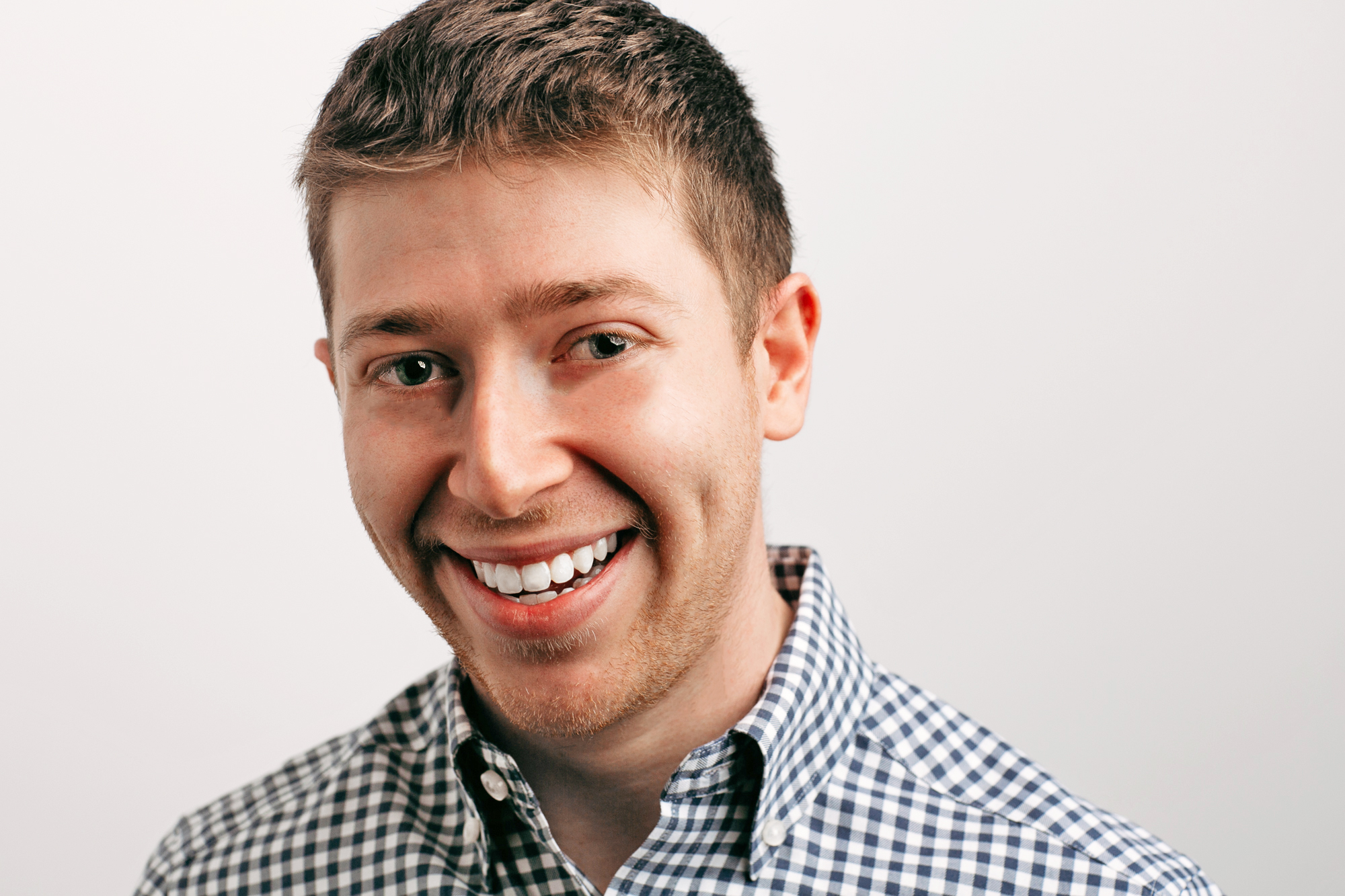
Drew Blumenthal is the founder and CEO of Digital Drew SEM, a results-driven, performance-focused digital marketing agency based in New York. With deep expertise in Google Ads, Meta advertising, SEO, website development, and social media management, Drew combines creative strategy with analytical precision to deliver measurable growth. He frequently shares insights on performance marketing, digital trends, and scalable strategies for business growth.