Performance Max Agency in New York One Campaign, Every Google Surface, Actually Optimized.
Performance Max sounds simple on paper. Hand Google your assets, set a goal, and let the algorithm find buyers across Search, Shopping, Display, YouTube, Discover, and Maps all at once. In practice, most PMax campaigns are a black box that quietly burns budget on the wrong signals because nobody built the audience inputs or asset groups correctly before hitting launch.
We're a Performance Max agency built around the part most businesses skip, feeding the algorithm the right signals before letting it run. Google's machine learning is genuinely powerful. It's also only as good as what you give it to work with.
Free Performance Max audit
We review your current PMax setup, or help you plan one from scratch, and show you exactly where signals, assets, or conversion data are holding performance back. No prep, no pitch.
An honest assessment
Three specific fixes — whether that's weak audience signals, thin creative assets, or conversion tracking that's feeding the algorithm bad data — and what we'd act on first.
You decide
We're selective about which accounts we take on, and we want you just as confident in us before a single dollar of budget moves.
15–30 minutes. No commitment. No pitch.
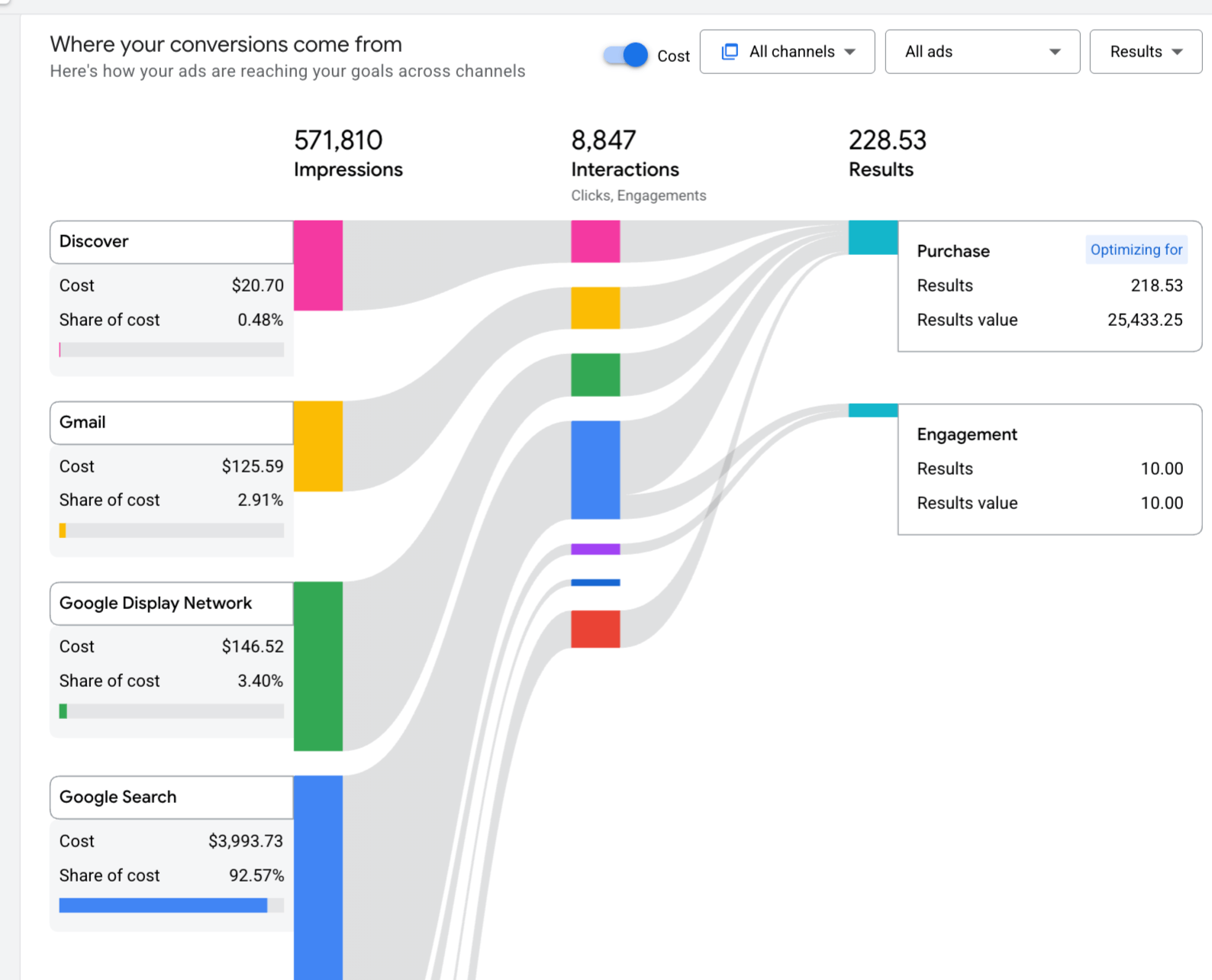
Trusted to Drive Growth with Performance Max Campaigns









Why Most Performance Max Campaigns Underdeliver

Your audience signals are an afterthought, not a strategy
Audience signals guide Google toward your ideal customer, they're not a hard target, but weak or generic signals give the algorithm almost nothing useful to work with during the learning phase. Most accounts fill this field once at launch and never revisit it.

Your asset groups are thin, so Google can't test properly
Performance Max builds ads dynamically from whatever creative assets you provide. A handful of generic images and one headline variation gives the algorithm very little to work with when testing what actually converts.

Your conversion tracking is feeding it bad data
PMax is entirely bid-strategy driven, which means it's only as smart as the conversion data it's optimizing toward. If tracking is incomplete or inaccurate, the algorithm is optimizing toward the wrong outcome without anyone noticing.

You launched and walked away
Smart Bidding and Performance Max campaigns need roughly 30 to 50 conversions to exit the learning phase and start optimizing effectively. Touching the campaign too often, or not monitoring it at all during that window, both undercut performance in different ways.
Full Performance Max Management, Under One Roof
Same team running your PMax campaigns and your broader Google Advertising account, so PMax, Search, and Shopping reinforce each other instead of competing for the same conversions.
Audience signal strategy that actually guides the algorithm
First-party data, customer match lists, and intent-based signals built from real customer behavior, not a generic demographic guess filled in once and forgotten.
Asset groups built for real testing
Multiple headline, image, and video variations per asset group, so Google's algorithm has enough creative diversity to identify what's actually driving conversions.
Conversion tracking verified before scaling spend
Enhanced conversions and proper value-based bidding set up correctly, since PMax's entire bid strategy depends on the quality of the data it's optimizing toward. See our dedicated Conversion Tracking & GA4 page →
Coordinated Shopping and Search structure
For ecommerce accounts, PMax structured alongside dedicated Shopping campaigns so budget isn't cannibalizing itself across overlapping campaign types. See our dedicated Google Shopping page →
Disciplined learning-phase monitoring
Weekly check-ins during the 30-to-50-conversion learning window, with restraint on changes that would reset the algorithm's progress, then more active optimization once it's out of learning.
Ongoing Performance & Optimization
Continuous campaign monitoring, search-term analysis, budget adjustments, and asset optimization to improve Performance Max efficiency and maximize conversion value over time.
How We Build a Performance Max Strategy: Signals First, Then Scale
Nothing launches until the inputs are right. An algorithm can only optimize toward what you actually give it.
Audience and conversion data audit
We review what customer data, conversion signals, and creative assets currently exist, and identify the gaps that would hold an algorithm back before it even starts learning.
→Asset group and signal architecture
You see the full plan, audience signal sources, asset group structure, campaign goals, before anything goes live.
→Launch, monitor the learning phase, then optimize
Careful monitoring through the initial 30-to-50 conversion window, then active monthly optimization once the campaign has enough data to work from.
Five Steps to a Performance Max Campaign That Actually Learns
Free Performance Max audit
Current setup, conversion tracking, and asset quality reviewed together. Yours to keep regardless of what happens next.
Signal and creative gap mapping
A written plan covering audience signal sources, asset group structure, and where your current setup is likely limiting the algorithm.
Build and restructure
Signal architecture, asset group builds, and conversion tracking fixes, all approved before launch.
Launch and learning-phase monitoring
Campaign goes live with tracking verified, monitored carefully through the learning window without disruptive changes.
Reporting tied to real performance, not platform-reported ROAS alone
A monthly call and a one-page report showing what's actually driving results, not just the number PMax reports back to itself.
What a Properly Fed Performance Max Campaign Looks Like
ROAS trend through and past the learning phase
Performance stabilizing and improving as the campaign exits its learning window with properly segmented audience signals and verified conversion data feeding the algorithm.
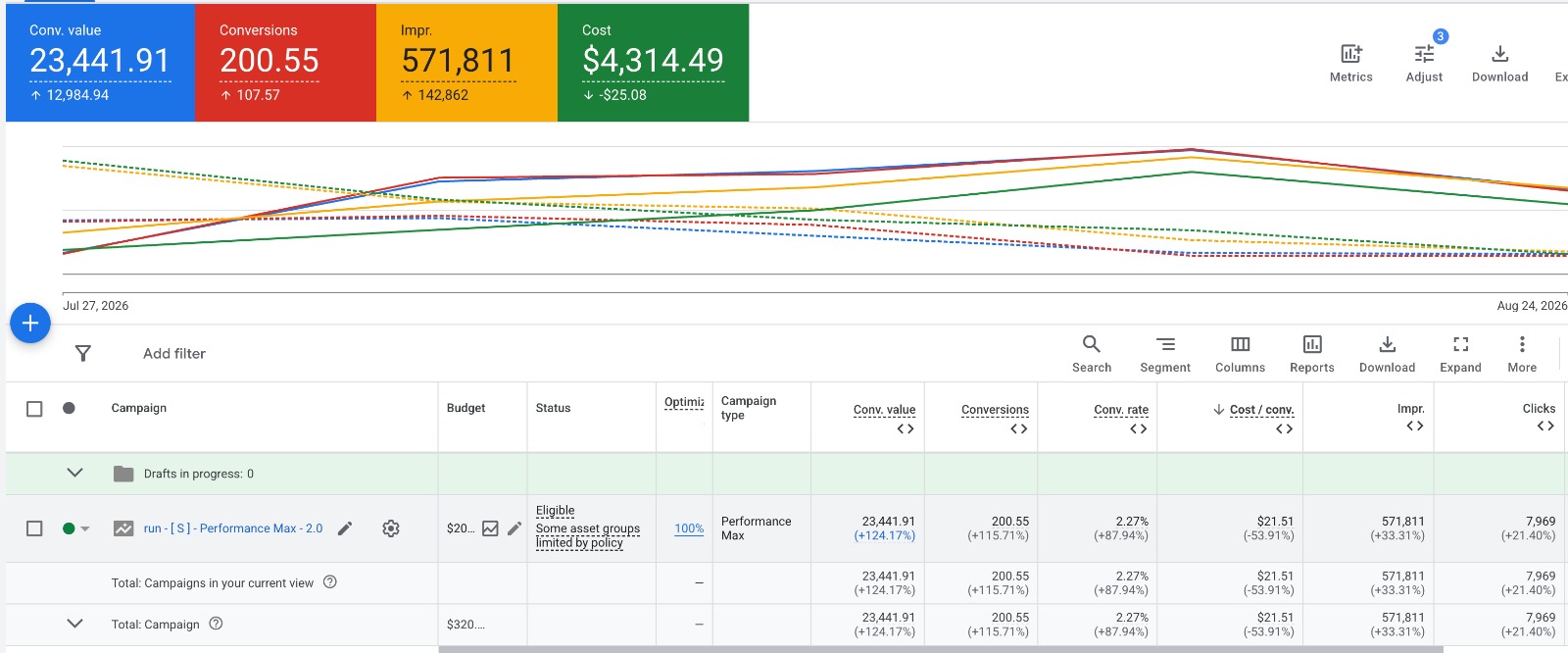
Before vs. after signal and asset rebuild
Performance Max campaigns rebuilt on stronger signals and tested creative see meaningfully better efficiency without a change in budget.
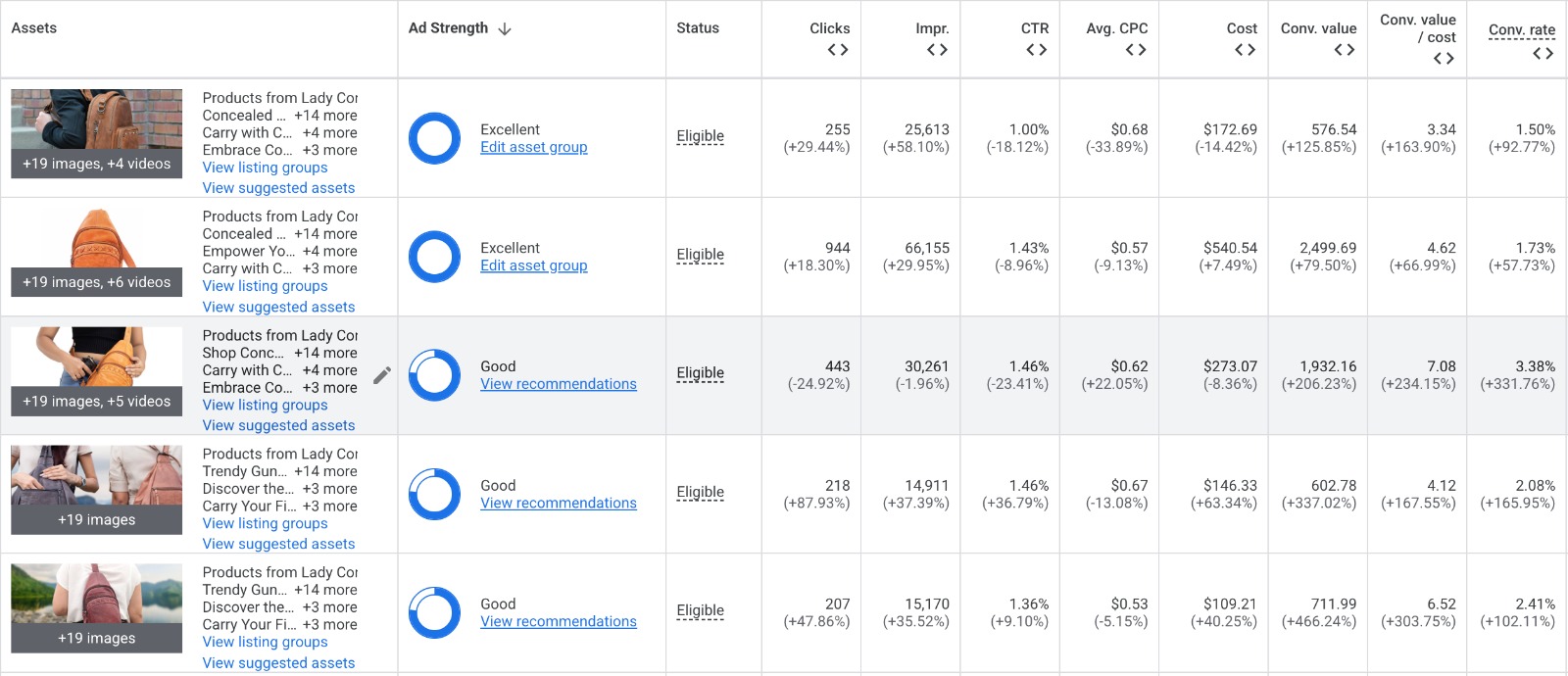
Real Performance Max Results
See how our Performance Max campaigns help New York businesses generate qualified leads and measurable growth.
The Offsite Co
A company generating qualified corporate retreat inquiries through Google Ads. Combining high-intent Search with Performance Max produced 73 conversions and $112,050 in conversion value.
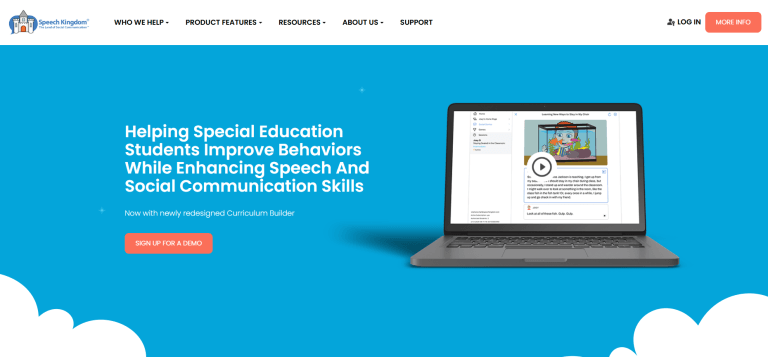
Speech Kingdom
Speech Kingdom is an AI-powered educational platform designed for special education, helping children improve speech, social communication, and behavioral skills through personalized learning experiences.
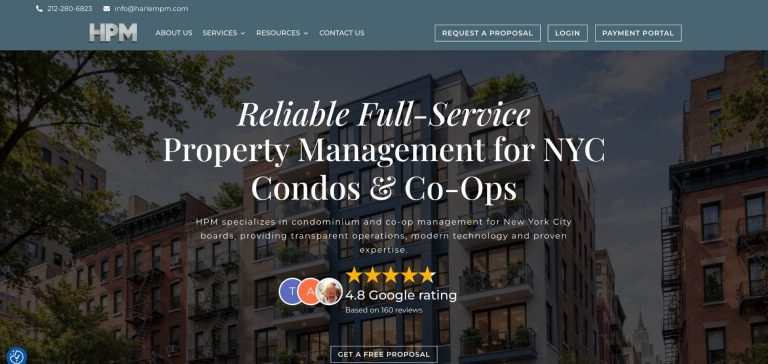
Harlem Property Management
A company helping investors and property owners identify real estate opportunities. A Google Ads campaign generated 79 additional conversions and 66 phone call leads.
What Our Clients Say About Our Performance Max Expertise
Real feedback from businesses that have trusted us to turn Google Ads campaigns into stronger leads, conversions, and growth.

We have been working with Digital Drew SEM for just over a month and a half, and the results have been outstanding. Our sales have already doubled. What sets Drew apart is that you actually work directly with him, not just a coworker or junior account manager like most other advertising companies. His knowledge of Google, Meta, and SEO is exceptional, and with his guidance, expertise, and experience, we feel confident our business will continue to grow and reach new heights.Another major advantage is his pricing. Unlike many advertising companies in the U.S. that charge extremely high rates, Digital Drew offers reasonable pricing without compromising quality.We couldn’t be happier with the results so far and would highly recommend Digital Drew SEM to anyone looking to grow their business through digital advertising.

Drew and his team have been a pleasure to work with! Very knowledgeable on SEO and management of PPC campaigns. Thanks Drew and team!
Drew and his team are awesome. They are responsive, knowledgeable, and genuinely invested in helping our business grow. They consistently deliver exceptional results, our ad performance has been outstanding, and their strategic guidance around campaign timing and creative direction has made a big difference. Communication is always clear and proactive, and they go above and beyond to make sure everything runs smoothly. Highly recommend Digital Drew SEM to anyone looking for a reliable, results-driven marketing partner.

Digital Drew has been fantastic. He made changes with both google clicks and SEO. Both showed positive result within two months. Drew has a great handle on what works. I highly recommend him.
Digital Drew SEM vs the Alternatives
| What You Get | ⭐ Digital Drew SEM | Typical PPC Agency | In-House / DIY |
|---|---|---|---|
| Custom audience signal strategy | ✓ Standard | ⚠ Generic defaults | ✕ Rarely built |
| Multiple tested asset group variations | ✓ Included | ⚠ Sometimes | ✕ Usually one thin set |
| Conversion tracking verified before scaling | ✓ Always | ⚠ Sometimes | ✕ Often assumed accurate |
| PMax, Search & Shopping coordinated | ✓ Yes | ⚠ Usually siloed | ✕ Rarely coordinated |
| Disciplined learning-phase monitoring | ✓ Standard | ⚠ Varies | ✕ Often overcorrected or ignored |
| Reporting beyond platform-reported ROAS | ✓ Yes | Vanity metrics PDF | ✕ Manual & slow |
Straight Talk on What Performance Max Management Costs
We scope the engagement to your account on the audit call. A single-goal PMax campaign for a service business doesn't need the same asset and signal depth as a multi-category ecommerce catalog running PMax alongside Shopping and Search. Transparent monthly retainer, no inflated promises.
Single-goal or service-based accounts
Focused audience signal and asset strategy built around one clear conversion goal, with efficient, tightly targeted spend.
Multi-category ecommerce & complex accounts
Full signal architecture across product categories, extensive asset testing, and coordinated management alongside Shopping and Search campaigns.

Why I Don't Let Performance Max Run on Autopilot
I built Digital Drew SEM after years running marketing for Fortune 500 companies and leading agency teams at IPG Mediabrands and Performics, and Performance Max is one of the campaign types where I've watched "set it and forget it" advice do real damage. Google markets PMax as fully automated, and technically it is, but automated doesn't mean it works well with lazy inputs.
The businesses getting real results from PMax are the ones treating the setup phase with the same rigor they'd apply to a manually built Search campaign, strong signals, real creative variation, clean conversion data. I wrote about the discipline good campaign architecture requires in my book on AI and digital marketing, and PMax rewards that discipline more than almost any other campaign type precisely because it hides the mechanics from you. I'm personally in these accounts. If we're not the right fit for your business, I'll tell you on the call.
Where Performance Max Is Headed
Performance Max keeps absorbing more of Google's ad inventory into a single automated structure, and that trend isn't slowing down. PMax now commands roughly 68% of Google Shopping ad spend among retailers running both campaign types, with click-through rates meaningfully higher than Standard Shopping alone.
That consolidation puts even more weight on the inputs advertisers control. Median ROAS across all Google Ads fell just over 10% in 2025 as CPCs rose faster than conversion efficiency, which means the businesses protecting their margins right now are the ones feeding PMax cleaner signals and better creative, not the ones simply raising budget and hoping the algorithm compensates.
Performance Max campaigns deliver a 4.8x average ROAS for ecommerce advertisers, and 78% of Performance Max campaigns use target ROAS bidding, with 84% hitting or exceeding those targets.
Book My Free Performance Max Audit →Audience Signal Strategy
First-party data, customer match lists, and intent-based signals built from real customer behavior, not a generic demographic guess.
Asset Group Testing
Multiple headline, image, and video variations per asset group, so the algorithm has enough creative diversity to find what converts.
Conversion Tracking Verified
Enhanced conversions and value-based bidding set up correctly, since PMax's bid strategy depends entirely on the data it's optimizing toward.
Learning-Phase Monitoring & Scaling
Weekly check-ins during the learning window, then active monthly optimization once the campaign has enough data to work from.
Questions Advertisers Ask About Performance Max
Performance Max runs a single automated campaign across Search, Shopping, Display, YouTube, Discover, and Maps simultaneously, using machine learning to find the best-performing combination of your assets. Standard Shopping and Search give you more direct, granular control over individual campaigns and keywords.
For most accounts, we recommend running PMax alongside dedicated Search or Shopping campaigns rather than in isolation, since that combination gives you both broad automated reach and more precise control where it matters most.
Most campaigns need roughly 30 to 50 conversions to exit the learning phase, which can take anywhere from two to six weeks depending on budget and conversion volume. Frequent changes during that window can reset the learning process and delay results further.
First-party customer data, website visitor remarketing lists, and intent-based signals built from actual customer behavior tend to perform far better than Google's generic demographic suggestions.
Yes, though the setup looks different. Service businesses typically lean harder on lead-based conversion goals and call tracking rather than a product feed, but the same principle of strong signals and verified conversion data still applies.
Yes. Since PMax's entire bid strategy depends on conversion data quality, verifying and often rebuilding tracking is one of the first things we do in any PMax engagement.
Stop Letting the Algorithm Guess
Book your free Performance Max audit. We'll review your audience signals, creative assets, and conversion tracking together, show you the three biggest sources of underperformance, and give you an honest read on what it would take to fix them.