Social media advertising is one of the most cost-effective ways a small business can reach its ideal customers — but only if you’re doing it strategically. Done right, paid social ads can deliver consistent leads, sales, and brand awareness on a budget that fits a small business. Done wrong, it burns money with nothing to show for it.
At Digital Drew SEM, we run social media advertising campaigns for small businesses across industries, and we’ve seen exactly what works and what doesn’t. This guide gives you the complete picture for 2026.
Why Social Media Advertising Works for Small Business
Small businesses have historically been priced out of traditional advertising — TV, radio, print, billboards. Social media advertising completely changed that.
Here’s why it works:
Precise targeting. Platforms like Meta (Facebook and Instagram) let you target users by age, location, income level, interests, behaviors, and life events. You can show your ad to exactly the type of person who is most likely to buy from you — and only them.
Scalable budgets. You can start with as little as $10–$15 per day and scale up as you see results. You are not locked into large commitments.
Fast results. Unlike SEO, which takes months to build, social media ads can start generating leads within days of launching.
Visual storytelling. Social platforms are built for images and video, giving you a powerful canvas to show your product, service, or brand story in a way that text-only ads cannot.
Retargeting. You can show ads specifically to people who have already visited your website, watched your videos, or engaged with your content — targeting people who already know you and are close to a decision.
Which Social Media Platform Is Right for Your Business?
Not all social platforms are created equal. Here’s how to choose where to advertise in 2026:
Meta (Facebook + Instagram)
Best for: Local services, e-commerce, B2C brands, home services, retail, health and wellness, legal services
Why it works: Meta has the largest ad audience of any social platform, with sophisticated targeting across both Facebook and Instagram simultaneously. The retargeting capabilities are unmatched. For most small businesses targeting consumers or local customers, Meta is the highest-ROI starting point.
Budget range: $500–$3,000/month for most small businesses
TikTok
Best for: E-commerce, younger consumer audiences (under 40), products with strong visual appeal, entertainment, food and beverage
Why it works: TikTok’s algorithm surfaces content to highly engaged users even with small budgets. Video creative is essential — but when it works, TikTok ads can generate huge reach at a low cost per click.
Budget range: $500–$2,000/month to test effectively
LinkedIn
Best for: B2B businesses, professional services, recruiting, SaaS, consulting, law firms serving businesses
Why it works: LinkedIn is the only social platform where you can target by job title, company size, industry, and seniority. If your ideal customer is a business owner, HR manager, or C-suite executive, LinkedIn ads reach them directly.
Budget range: $1,500–$5,000/month (CPCs are higher but intent is strong)
Pinterest
Best for: Home décor, fashion, food, wedding services, DIY, e-commerce with strong visual products
Why it works: Pinterest users are actively planning purchases. It has unusually high purchase intent compared to other social platforms.
Budget range: $500–$1,500/month
How to Set Up a Social Media Ad Campaign That Actually Works
The difference between a campaign that generates leads and one that wastes money usually comes down to strategy, not spend. Here’s the framework Digital Drew SEM uses for every campaign:
1. Define your objective first
Before running any ad, know exactly what action you want someone to take. Do you want them to call your business? Fill out a lead form? Buy a product? Visit a specific page? Every element of your campaign — the ad creative, the copy, the call to action, the landing page — should be built around that single objective.
2. Know who you’re targeting
Build a detailed picture of your ideal customer. Age, location, income, interests, problems they’re trying to solve. The more specific your targeting, the less money you waste showing ads to people who will never buy.
3. Create strong creative
On social media, your image or video is the first thing people see. It has to stop the scroll. Use real photos of your product, team, or results whenever possible. Video outperforms static images on most platforms in 2026. Keep videos under 15 seconds for awareness and under 60 seconds for conversion campaigns.
4. Write copy that speaks to a problem, not just a feature
Your ad copy should address a specific problem your customer has and offer a clear solution. “Tired of spending money on ads that don’t convert? Digital Drew SEM builds campaigns that actually generate leads.” That is more compelling than “We offer digital marketing services.”
5. Send traffic to a focused landing page — not your homepage
Your homepage serves many audiences. Your landing page should serve one audience with one message and one call to action. Campaigns that send traffic to a homepage convert far below those that send traffic to a dedicated landing page.
6. Test multiple versions
Always run at least 2-3 versions of your ad with different headlines, images, or copy. Let the data tell you which performs best, then put more budget behind the winner.
7. Track conversions — not just clicks
Clicks do not pay the bills. Leads and sales do. Make sure your ad account is set up to track actual conversions — form submissions, phone calls, purchases — so you know which ads are driving real business results.
How Much Should a Small Business Spend on Social Media Ads?
This is the most common question small business owners ask. Here’s an honest answer:
Starting budget: $500–$1,000/month. This is enough to get meaningful data and real results if the campaign is well-structured. It is not enough to dominate a highly competitive market, but it is enough to prove the channel works for your business.
Growth budget: $1,500–$3,000/month. At this level, you can run multiple campaigns, test different audiences and creative, and scale what’s working. This is where most small businesses find their sweet spot for consistent lead generation.
Scale budget: $3,000–$10,000+/month. At this level, social media advertising becomes a primary growth engine. This is appropriate for businesses that have already proven the channel works and want to accelerate.
The single biggest mistake small businesses make is spending too little to get real data and then concluding “social media ads don’t work.” Every platform has a learning phase — Meta, for example, recommends a minimum of 50 conversions per month for its algorithm to optimize effectively. Set your budget accordingly.
The Biggest Mistakes Small Businesses Make With Social Media Ads
Avoid these common pitfalls:
Targeting too broadly. “Everyone in the United States 18-65” is not a target audience. Tighten your targeting.
Using stock photos. Authentic, real imagery dramatically outperforms stock photos. Use photos of your actual team, product, or clients (with permission).
Changing campaigns too often. Give campaigns at least 2-3 weeks before making major changes. Constant adjustments reset the learning phase.
Not retargeting. Website visitors who didn’t convert the first time are your warmest audience. Always run a retargeting campaign alongside your main prospecting campaign.
Ignoring the comments. Social ads show your comment section publicly. Responding to comments — positive and negative — builds trust with people who are considering buying.
Setting it and forgetting it. Social media advertising requires active management. Ad fatigue sets in, audiences shift, and creative needs to be refreshed. Treat it as an ongoing investment, not a one-time setup.
How Digital Drew SEM Manages Social Media Advertising for Small Businesses
Digital Drew SEM is a full-service digital marketing agency that specializes in paid social media advertising for small businesses. We handle everything from strategy and creative development to campaign management and monthly reporting.
Our process includes:
– Discovery and strategy session to understand your business goals, ideal customer, and competitive landscape
– Complete campaign setup including ad creative, copy, targeting, and conversion tracking
– Ongoing optimization — testing creative, adjusting audiences, and scaling what works
– Monthly performance reporting with clear ROI metrics
We work with businesses across industries, including law, healthcare, home services, e-commerce, professional services, and more. If you’re ready to stop guessing and start generating leads from social media, Digital Drew SEM is ready to help.
Frequently Asked Questions About Social Media Advertising for Small Business
How quickly will I see results from social media ads?
Most campaigns start generating traffic and leads within 3-7 days of launch. However, the first 2-4 weeks are a learning phase where the platform algorithm is optimizing delivery. Expect to see improving results over the first 30-60 days as the campaign matures. Digital Drew SEM monitors campaigns actively during this period to accelerate the learning process.
Do I need a big budget to make social media ads work?
No. Many small businesses see strong results with $500–$1,500 per month, especially if the campaign is well-targeted and the creative is strong. The key is not how much you spend but how strategically you spend it. A poorly structured $5,000/month campaign will underperform a tightly focused $1,000/month campaign every time.
Should I run Facebook ads or Instagram ads?
On the Meta platform, you can run both simultaneously with the same campaign. Meta’s algorithm will allocate your budget to whichever placement performs best for your specific objective and audience. In most cases, running on both Facebook and Instagram together outperforms running on just one.
What kind of results can I expect from social media advertising?
Results vary widely by industry, budget, creative quality, and targeting. As a general benchmark, Digital Drew SEM aims for a cost per lead (CPL) of $20-$80 for most local service businesses, and a cost per purchase well below product selling price for e-commerce. We establish clear benchmarks and goals at the start of every campaign so you know exactly what success looks like.
How do I know if my social media ads are working?
The key metrics to watch are: cost per lead or cost per purchase, conversion rate (what percentage of clicks take the desired action), return on ad spend (ROAS), and revenue or pipeline generated. Vanity metrics like impressions and clicks are not sufficient measures of success. Digital Drew SEM builds conversion tracking into every campaign so you can see real results.
Can I run social media ads myself, or do I need an agency?
You can absolutely set up basic campaigns yourself, and for some businesses in low-competition markets, DIY works fine. However, most small business owners find that the time investment required to learn, set up, test, and manage campaigns is better spent running their business. An agency like Digital Drew SEM brings platform expertise, creative experience, and optimization knowledge that typically produces better results faster than a self-managed account.
Digital Drew SEM manages social media advertising campaigns for small businesses across the United States. Contact us today for a free strategy consultation and find out how we can build a social media ad program that generates consistent leads for your business.*
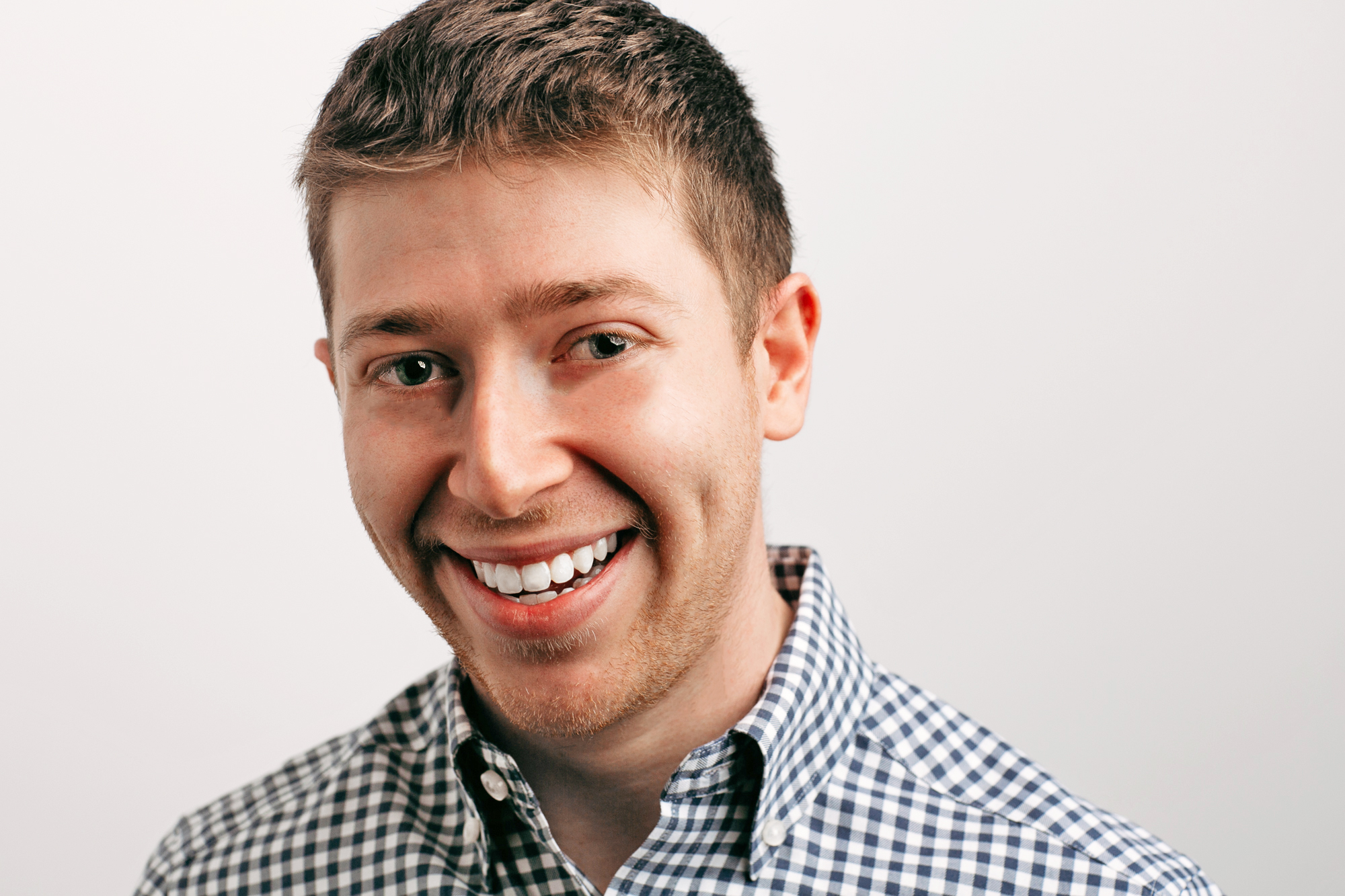
Drew Blumenthal is the founder and CEO of Digital Drew SEM, a results-driven, performance-focused digital marketing agency based in New York. With deep expertise in Google Ads, Meta advertising, SEO, website development, and social media management, Drew combines creative strategy with analytical precision to deliver measurable growth. He frequently shares insights on performance marketing, digital trends, and scalable strategies for business growth.