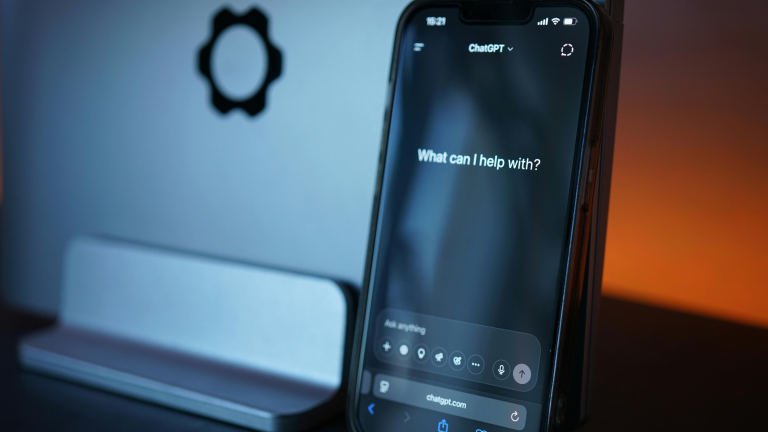
If you’ve ever wondered How to Show Up in ChatGPT In UES, you’re not alone. Many New Yorkers are turning to AI tools like ChatGPT for recommendations, whether they seek a trusted hairstylist, a cozy coffee shop, or a reliable digital marketing agency. As a result, businesses on the Upper East Side need to move beyond traditional search optimization. Visibility now extends beyond Google or Yelp to conversational platforms where users ask for advice rather than just information.
Recognizing this change and adjusting your local SEO strategy can help your business show up in AI-generated responses when potential customers ask location-specific questions. Let’s look at practical steps and effective strategies that can help UES businesses become more visible in both search engines and AI-driven environments.
Why ChatGPT Visibility Matters for Upper East Side Businesses
AI assistants are changing how people search. Instead of typing “best coffee shops near me,” many users now ask, “What’s the best coffee shop on the Upper East Side for remote work?” Tools like ChatGPT gather information from reliable, structured sources across the web.
For businesses in the Upper East Side, this means two important things:
- Your online presence must be accurate, consistent, and complete so AI can confirm your legitimacy.
- Your content must be rich in context and conversational so AI understands what you offer and why it’s relevant.
Businesses that invest in quality local SEO, meaningful content, and consistent online branding are more likely to appear in AI-generated recommendations. The more structured and verifiable your information, the better your chances are of being included when users seek trusted advice from ChatGPT.
Start with a Strong Local SEO Foundation
Before optimizing for AI visibility, ensure your local SEO basics are solid. Think of it as laying the groundwork for every search engine and AI tool to recognize your business as trustworthy and relevant to UES customers.
Essential local SEO steps include:
- Claim and fully optimize your Google Business Profile (GBP) with accurate name, address, phone number, and business hours.
- Include “Upper East Side” and references to nearby neighborhoods throughout your website’s content.
- Ensure consistency in your name, address, and phone number across your website, GBP, Yelp, and directory listings.
- Add schema markup to help search engines and AI models understand your location and services.
AI systems like ChatGPT depend on structured data from the internet to recommend local businesses. Including these technical elements on your website makes it easier for AI models to verify and feature your brand.
Use Conversational Keywords and Questions
Traditional keyword targeting still matters, but AI-driven search focuses on natural language. Instead of short keywords like “hair salon UES,” consider how a real person might ask ChatGPT for help.
For example:
“Where can I find a good facial spa on the Upper East Side?”
“Who offers affordable Pilates classes near 86th Street?”
“Which digital marketing agency helps small businesses in the UES?”
Writing your website copy, service pages, and blogs around these conversational phrases aligns your content with how ChatGPT and other AI tools interpret user intent.
Quick content tips:
Include a FAQ section with question-based headings.
Write blog topics that address real neighborhood needs or trends.
Keep your tone friendly and natural, reflecting how people actually speak.
This approach not only boosts visibility in AI-driven platforms but also improves readability and engagement on your site.
Create Locally Focused Content
Manhattan neighborhoods have their own character, and the Upper East Side is no exception. Residents here value quality, trust, and convenience. Tailoring your content to reflect these values can help your business stand out.
Examples of local content ideas include:
“The Best Cafés on the Upper East Side for Morning Meetings”
“How UES Boutiques Can Attract Loyal Shoppers Online”
“A Local’s Guide to Wellness and Fitness in the Upper East Side”
Locally focused blogs and guides show your understanding of the community and help your brand become part of the local conversation. When AI tools like ChatGPT look for businesses to mention, they often prioritize those with strong local relevance and authority.
Optimize Your Google Business Profile
Your Google Business Profile is crucial for local SEO and serves as a primary data source for AI platforms. Keeping it active and detailed boosts your credibility and helps AI verify your business with ease.
Optimization checklist:
- Add recent, high-quality photos of your space, products, or team.
- Write a conversational business description that naturally includes your services and neighborhood.
- Use the “Posts” feature to share updates or promotions.
- Ask for reviews from local clients, and respond to each one thoughtfully.
Why this is important: Reviews and active engagement build trust with potential customers and signal to AI models that your business is current, responsive, and relevant to UES users.
Leverage Local Backlinks and Citations
Backlinks links from reputable websites to yours are strong indicators of trust. Local backlinks, in particular, show that your business is active and valued within the Upper East Side community.
Ways to earn local backlinks include:
- Partnering with nearby organizations or events.
- Collaborating with local bloggers, influencers, or publications.
- Joining community boards, business associations, or charitable initiatives.
Citations are also important. Ensure your business shows up consistently in major directories like Yelp, Nextdoor, and TripAdvisor, as well as niche directories related to your industry. Each mention strengthens your online presence and makes it easier for AI systems to validate your information.
Align Your Website with AI Readability Standards
To ensure ChatGPT understands your website, your content must be clear and well-structured. AI tools struggle to interpret messy formatting or jargon-filled pages but can easily understand well-organized, readable text.
Key tips for an AI-friendly site structure:
Use clear headings and subheadings to organize content logically.
Write short paragraphs with straightforward transitions.
Use bullet points to break down lists and information.
Avoid overly technical terms unless your audience is familiar with them.
Readable, well-formatted pages improve user experience and enhance how AI models categorize and extract information about your business.
Strengthen Your Social and Community Presence
AI systems often consider signals from multiple platforms beyond your website. That’s why it’s crucial to maintain consistent branding and engagement across your social media accounts.
Here’s how to do it effectively:
- Keep your business name, contact details, and links consistent across all channels.
- Post regularly about community involvement, events, or local stories.
- Use UES-related hashtags like #UpperEastSide or #UESBusiness.
- Tag your location in posts to reinforce your geographic relevance.
Social media engagement humanizes your brand, making it easier for AI tools to connect your digital identity across different sources.
Monitor Data and Evolve Continuously
Visibility is a process, not a one-time achievement. Use analytics to track how users find you and where they come from.
Metrics to monitor include:
- Organic traffic and keyword rankings for local searches.
- Website visits from Manhattan or UES zip codes.
- Interactions and engagement on your Google Business Profile.
- Referral traffic from local backlinks and directories.
Make data-driven adjustments to your SEO strategy every few months. The more responsive and updated your digital presence is, the more likely AI models will continue to recommend your business over time.
Encourage and Respond to Reviews
Reviews are one of the most trusted signals for both customers and AI tools. They provide real-world validation of your business.
Best practices for review management include:
- Asking satisfied customers to leave feedback mentioning your location and services.
- Replying to every review, positive or negative, with professionalism.
- Featuring select testimonials on your website for added credibility.
When a potential customer asks ChatGPT for “the most trusted wellness clinic in UES,” the AI is more likely to reference a business with high ratings, consistent reviews, and recent engagement.
Enhance Technical Performance and Mobile Accessibility
A fast, secure, and mobile-friendly website is essential for any modern business. Google prioritizes sites that load quickly and perform well on all devices, and AI tools often rely on these same indicators to assess site quality.
Technical SEO essentials include:
- Using HTTPS for site security.
- Optimizing image sizes to reduce loading times.
- Checking mobile responsiveness regularly.
- Eliminating broken links or outdated pages.
When your website runs smoothly, both users and AI systems view it as a reliable, high-quality resource.
Stay Ahead of Trends in AI and SEO
The connection between local SEO and AI will keep evolving. Staying informed about updates ensures your strategy remains effective and ready for the future.
Ways to stay ahead include:
- Following updates from Google and OpenAI about local data integration.
- Reading industry blogs and newsletters about AI-driven search trends.
- Testing new tools like structured data validators or keyword insight platforms.
- Refreshing your content quarterly to reflect new developments.
By keeping your digital ecosystem adaptable, your business will maintain visibility no matter how technology changes.
A Real-World Example: UES Business Visibility
Consider a boutique spa in the Upper East Side that wants to attract local clients. It updates its Google Business Profile, creates a blog titled “Relaxation Spots in UES You’ll Love,” and earns backlinks from local wellness directories.
When a user later asks ChatGPT, “Where can I find a trusted spa on the Upper East Side?” the AI references its structured online data, reviews, and content. Because the spa’s digital presence is consistent, clear, and localized, it has a much higher chance of being suggested.
This strategy applies to any business restaurants, real estate agents, marketing firms, or fitness studios. Local relevance and clear data remain key drivers of AI visibility.
Bringing It All Together
The future of local marketing is conversational. Customers no longer just type keywords; they ask questions, seek advice, and trust AI tools for personalized answers. Businesses on the Upper East Side that adapt to this shift will find themselves ahead of the curve.
If you’re trying to figure out how to show up in ChatGPT for UES, remember that it starts with a mix of strong local SEO, high-quality content, and consistent community presence. Focus on building a trustworthy online presence with accurate listings, fresh blogs, clear structure, and real engagement. This will position you for success as AI transforms local search.
Digital Drew SEM helps Upper East Side businesses achieve this visibility through tailored SEO strategies, paid search campaigns, and content optimization. By blending creativity with data-driven precision, the agency helps brands appear across search engines, maps, and AI platforms.
With the right balance of technical strength and authentic storytelling, your business can stand out online and become part of the Upper East Side’s next generation of digital leaders. Stay visible, stay local, and stay prepared for the next evolution of search. Visibility in AI-driven discovery starts here with clarity and connection.

Drew Blumenthal is the founder and CEO of Digital Drew SEM, a results-driven, performance-focused digital marketing agency based in New York. With deep expertise in Google Ads, Meta advertising, SEO, website development, and social media management, Drew combines creative strategy with analytical precision to deliver measurable growth. He frequently shares insights on performance marketing, digital trends, and scalable strategies for business growth.