
AI Search & GEO Agency Get Your Brand Cited Inside AI Answers, Not Just Ranked in Blue Links.
A potential customer asks ChatGPT, "What's the best agency for my industry?" The AI names three companies. Yours isn't one of them — even though you rank on page one of Google. We make your brand visible inside AI-generated answers on ChatGPT, Perplexity, Gemini, Claude, and Google AI Overviews.
AI-referred sessions jumped 527% year-over-year in the first half of 2025, and Google AI Overviews now reach 1.5 billion monthly users. GEO is an additional layer on top of SEO — not a replacement for it.
Free AI visibility audit
We run the questions your customers actually ask across ChatGPT, Perplexity, Google AI Mode, and Gemini, and show you where you appear — and where competitors appear instead.
An honest assessment
The specific gaps worth closing first: citability of your content, schema and crawlability, or the third-party authority signals AI models actually weigh.
You decide
No promises of guaranteed citations. GEO outcomes are probabilistic, and we'll tell you honestly whether your business is ready for this layer of work.
15–30 minutes. No commitment. No pitch.
Trusted to Build Brand Visibility Across Search and AI Answer Engines







Why Brands That Rank on Google Still Get Left Out of AI Answers

Your content isn't built to be extracted
AI systems don't read like humans. They look for discrete, verifiable, well-supported facts. Content that meanders, over-qualifies every claim, or buries the answer under a long preamble doesn't get extracted reliably — no matter how well it ranks.

The signals that earn citations aren't your backlinks
Branded web mentions correlate with AI Overview appearances at 0.664 — significantly higher than backlinks at 0.218. AI models learn about your brand from Reddit, G2, industry publications and community platforms, and vendor product pages barely register as primary sources.

Your technical architecture blocks AI retrieval
AI crawlers use their own retrieval systems and operate with timeouts — if a page doesn't load in seconds, the agent moves on. Content with proper schema markup shows 30 to 40% higher visibility in AI search results. Without it, you're invisible to the systems doing the citing.

Nobody is measuring your AI visibility at all
Rankings and organic traffic reports say nothing about whether ChatGPT recommends you. Citation volumes for the same brand differed by a factor of 615 across platforms in one 34,234-response study — and 26% of brands currently have zero mentions in AI Overviews. Without measurement, you can't tell which side of that line you're on.
AI Search Optimization That Puts Your Brand Inside the Answer
Five functions make up real GEO work. We run all five — and we're honest about what the data can and can't tell you.
AI visibility auditing, platform by platform
We run systematic queries across ChatGPT, Perplexity, Google AI Mode and Gemini, then document whether your brand appears, how it's described, whether that description is accurate, and which competitors are cited instead.
Content restructured around citability
Direct answers in the first 40 to 60 words of a section. Roughly one statistic or specific claim every 150 to 200 words. Headings mapped to the questions people actually ask, and FAQs built around natural language queries.
Schema and structured data at depth
FAQ, Article, Organization and HowTo schema so your information is machine-parseable across platforms and retrieval systems. Content with proper schema markup shows 30 to 40% higher visibility in AI search results.
Third-party authority signals
Digital PR placements in industry publications, review profile management on platforms like G2 and Trustpilot, strategic community presence, and podcast or media appearances that generate written transcripts.
Technical work for AI crawlers
Core Web Vitals and page speed treated as an eligibility factor, not just a ranking factor — because AI agents operate with retrieval timeouts and abandon pages that don't load fast enough to cite.
Measurement across AI surfaces
Mention rate, share of voice against competitors, sentiment of mentions, citation position within AI responses, and AI-attributed revenue through self-attribution on your contact forms.
How We Build AI Visibility: Audit, Restructure, Then Amplify
Most agencies publish more content and hope AI notices. We establish where you stand first, fix what's extractable second, and build the external signals AI models trust third.
AI visibility & competitor audit
Systematic querying across platforms to map where you appear, how you're described, and where competitors are cited instead — then a prioritized list of the gaps worth closing first.
→Content & technical restructure
Existing pages rewritten for extractability, schema deployed, retrieval speed fixed, and entity relationships made explicit so models know what category you own.
→Authority building & measurement
Digital PR, review profiles and community presence built deliberately toward citation signals — with monthly reporting on mention rate, share of voice and sentiment.
Five Steps. Real AI Citations.
Free AI visibility audit
We query the platforms your customers use, document where you stand, and give you an honest read on the gaps — yours to keep regardless.
Strategy & entity mapping
A written plan covering the queries worth owning, the category and use cases your brand should be associated with, and the platform-specific approach for each.
Content & schema build
Pages restructured for extraction, FAQ and Article schema deployed, retrieval speed resolved, and supporting citations added to every substantive claim.
Authority & distribution
Digital PR placements, review profile work and community presence built toward the third-party mentions that correlate most strongly with AI citations.
Measure, refresh & scale
Citation tracking, share of voice reporting, and quarterly content refreshes — pages not updated quarterly lose AI citations at 3x the normal rate.
What Growing AI Visibility Actually Looks Like
Citation rate, 90-day trend
Mention rate climbing across AI platforms as structural work compounds — extractable content published, schema deployed, retrieval speed fixed, and third-party mentions accumulating in the sources AI models favor.
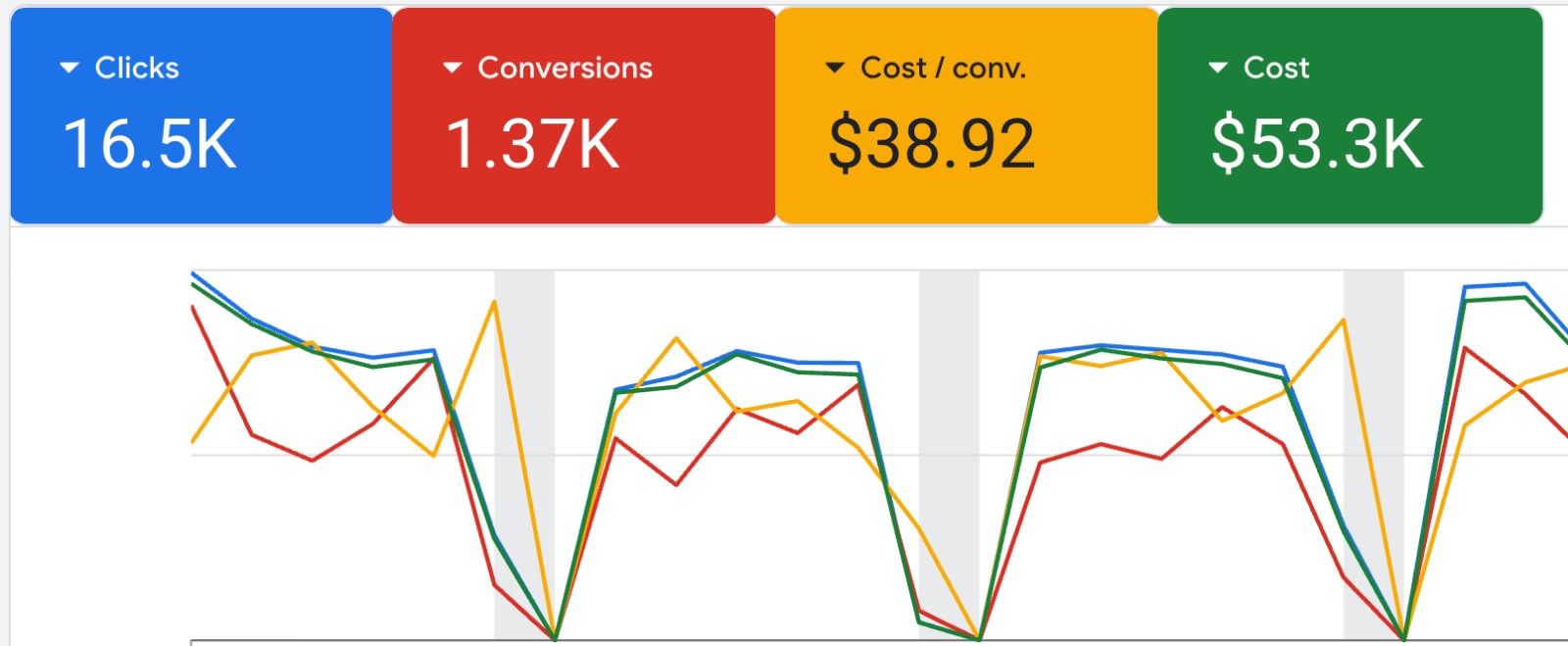
Before vs. after a citability rebuild
Businesses with existing domain authority often see citation improvements within 4 to 8 weeks of structural content optimization, with consistent patterns across platforms developing over 3 to 6 months.
Real Results for Lawyer, Salon and SaaS Clients
Every engagement is different — here's what compounding SEO and targeted SEM have produced for practices like yours.
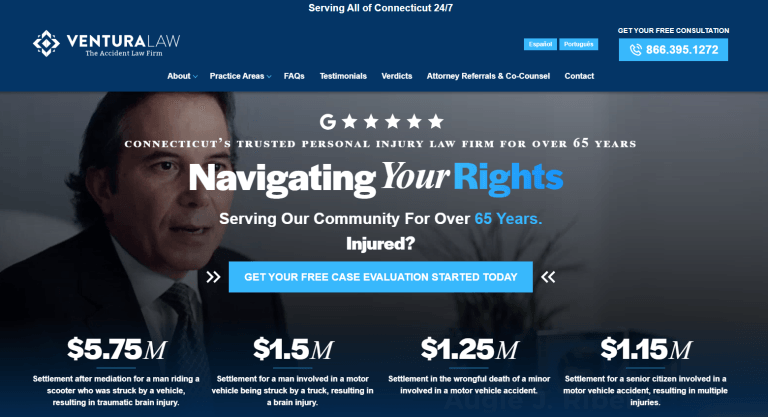
Ventura Law
Ventura Law is a Connecticut-based personal injury law firm with over 65 years of experience, specializing in accident and injury cases including car accidents, wrongful death, and medical malpractice.

NappStar
NappStar is a natural hair care brand specializing in locs, offering salon services, hair products, and extensions across multiple U.S. locations including NYC, Atlanta, Baltimore, and DMV.
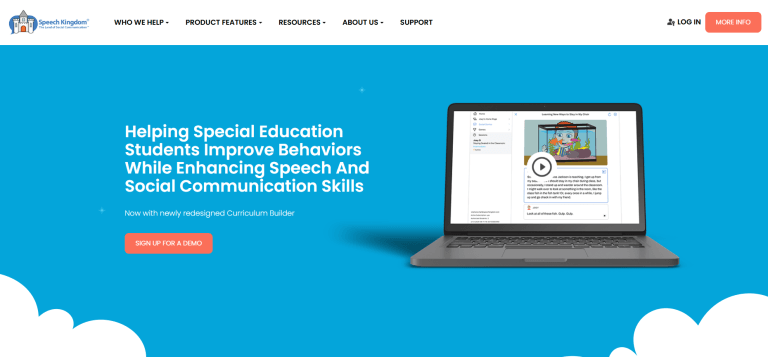
Speech Kingdom
Speech Kingdom is an AI-powered educational platform designed for special education, helping children improve speech, social communication, and behavioral skills through personalized learning experiences.
What Business Owners Say About Working With Us
From local service businesses to e-commerce brands — here's what a real partnership looks like from the other side.

We've had a fantastic experience working with Drew on our Google Ads campaigns. His honest and strategic recommendations have helped us make smarter decisions. He’s incredibly collaborative, responsive, and proactive, making him a true partner in our team. Beyond just running campaigns, Drew really took the time to understand our goals and worked with us to refine strategies.

Digital Drew has been a game-changer for our Google Ads strategy at the Law Firm I work at. Since we started working with him, our conversion rate has increased significantly, and we've seen a notable boost in retained cases. Drew’s expertise and in-depth knowledge of Google Ads shine through in everything he does—he truly understands how to optimize for results. On top of that, he's a pleasure to work with—responsive, professional, and always willing to go the extra mile to get us the best possible outcomes. Highly recommend him to anyone looking to elevate their digital marketing. Very trustworthy, honest, and overall just a solid nice guy!

Very diligent and responsive. Strong understanding of the technical aspects of digital marketing. Drew made considerable improvements in our ad campaigns and has reasonable rates given his level of expertise.

We worked with Digital Drew for about six months to create paid search, display and remarketing campaigns focused on converting new business - in that short period of time we've received over $1M in qualified leads. We highly recommend hiring digital drew for your SEM needs. These results cannot always be replicated because they are very specific to our market and target audience. But if you have a viable business model and a focused strategy, Drew will help you tap into those markets.
Digital Drew SEM vs the Alternatives
| What You Get | ⭐ Digital Drew SEM | Typical GEO Vendor | In-House / DIY |
|---|---|---|---|
| Cross-Platform AI Visibility Audit | ✓ Yes | Single Tool Pull | ✕ No |
| Content Rebuilt for Citability | ✓ Always | ⚠ One Template Everywhere | ✕ Rarely |
| Schema & AI Crawler Technical Work | ✓ Included | Extra Cost | ✕ Limited Capacity |
| Third-Party Authority & Digital PR | ✓ Yes | ✕ Often Missing | ✕ No |
| SEO Foundations Maintained Alongside GEO | ✓ Yes | ✕ Sold as a Replacement | ⚠ Sometimes |
| Honest Reporting on Probabilistic Results | ✓ Always | Guaranteed Citations Promised | ✕ Unmeasured |
Straight Talk on What AI Search Optimization Costs
We scope the work on the audit call — a brand with an existing content operation and a brand starting from a thin foundation don't need the same depth. The optimization layer works on content that exists; if the foundation is thin, that's the first problem to solve.
Established content foundation
Audit, citability restructure of existing pages, schema deployment and authority building — the fastest route to citations for brands that already publish consistently.
Building from the ground up
Content infrastructure first: regular publishing, structured formats, third-party PR placements and quarterly freshness maintenance, then the GEO optimization layer on top.

Why I Take AI Search Seriously
I built Digital Drew SEM after years running marketing for Fortune 500 companies and leading agencies, on one premise: you deserve a team accountable to revenue — not one hiding behind jargon and vanity metrics.
GEO is where that matters most right now, because the space is full of people selling a revolution that hasn't happened yet. Google still sends far more traffic than every AI platform combined. GEO is an additional layer, not a replacement — and the brands establishing citation presence now are doing it while competition is still low. I'm personally in these accounts. If we're not the right fit, I'll tell you on the call.
One Strategy Doesn't Work on Every AI Platform
Each AI platform has distinct citation behavior. ChatGPT favors encyclopedic, well-sourced explanatory content. Perplexity is recency-focused and leans heavily on Reddit, YouTube and high-engagement community content. Google AI Overviews correlate most closely with traditional organic performance.
An agency running a single content template across every platform isn't doing the work properly. The citation environments are distinct enough that a differentiated approach produces meaningfully better results.
76.1% of URLs cited in AI Overviews also rank in Google's top 10 — which is exactly why abandoning traditional SEO in favor of GEO is a mistake. The two reinforce each other.
Book My Free AI Visibility Audit →ChatGPT
Deep, comprehensive, well-sourced explanatory content outperforms punchy, opinion-led writing here.
Perplexity
Dynamic and recency-driven. Active community presence and frequently updated content have a structural advantage.
Google AI Overviews
The most correlated with organic rankings. Strong SEO remains the most reliable path to inclusion.
Measurement & Freshness
AI Mode overlaps with itself just 9.2% of the time on repeat queries. Tracking and quarterly refreshes are not optional.
Questions Brands Ask About AI Search & GEO
Traditional SEO optimizes for keyword rankings in search engine results pages. AEO (Answer Engine Optimization) focuses on structuring content to be cited in AI-generated answers across platforms like ChatGPT, Perplexity, and Google AI Overviews. GEO (Generative Engine Optimization) is closely related to AEO but specifically targets large language models and generative AI systems. In practice, most agencies use GEO and AEO interchangeably, and the underlying strategies overlap significantly; both are about being selected as a source in AI-synthesized responses rather than ranked in a list.
Businesses where customer discovery happens through research rather than immediate intent benefit most. Professional services, B2B software, healthcare providers, financial services, and any brand with a longer consideration cycle where a potential customer spends time investigating options before making contact, have the most to gain from AI citation visibility. Businesses serving customers who make immediate, low-consideration purchases (food delivery, emergency services) have less to gain from GEO and should focus primarily on traditional local SEO.
GEO measurement typically tracks citation frequency across AI platforms, share of voice relative to competitors, sentiment of brand mentions in AI answers, and AI-referred traffic as a distinct channel in analytics. Self-attribution on contact forms asking leads “how did you hear about us?” is often the most revealing metric, since users frequently encounter a brand in an AI answer, then search for it directly later without an attributable click. Branded search volume growth is also used as a downstream indicator of AI visibility influence.
GEO outcomes are probabilistic rather than guaranteed, but businesses with existing domain authority often see citation improvements within 4–8 weeks of structural content optimizations. Consistent citation patterns across multiple AI platforms typically develop over 3–6 months. Companies implementing GEO strategies correctly report 300–500% ROI returns within 6–12 months according to Superlines’ 2026 analysis, though individual results vary significantly based on industry competitiveness and content quality.
No. Google still sends 345 times more traffic than ChatGPT, Gemini, and Perplexity combined as of September 2025. Traditional SEO isn’t dead — GEO is an additional layer, not a replacement. Businesses spending 80% of their SEO budget on GEO and neglecting traditional organic performance are betting on a timeline that may not be correct yet. Any agency telling you otherwise is selling a revolution that hasn’t happened yet.
It means running systematic queries — the kinds of questions your target customers would ask — across ChatGPT, Perplexity, Google AI Mode, and Gemini, then documenting whether your brand appears, how it’s described, whether the description is accurate, and where competitors are being cited instead. It’s painstaking work, not a single tool pull. In one analysis of 34,234 AI responses across 10 platforms, citation volumes differed by a factor of 615 across platforms for the same brand.
Branded web mentions have a correlation of 0.664 with AI Overview appearances, significantly higher than backlinks at 0.218, per Position Digital’s 2026 analysis. AI systems learn about brands partly through the aggregated web — Reddit discussions, reviews on G2 and Capterra, industry publications, YouTube, LinkedIn and community platforms. An analysis of 680 million AI citations found that vendor product pages barely register as primary sources.
No, and any agency that promises specific citation frequencies is overstating what the discipline currently allows. You can do everything right — excellent content, comprehensive schema, strong third-party authority, platform-specific optimization — and still see volatile citation rates, because AI systems change retrieval behavior with model updates and training cycles. AI Mode overlaps with its own results just 9.2% of the time when the same query runs three times.
Get Cited in AI Answers Before Your Competitors Are
Book your free AI visibility audit. We'll run the queries your customers are asking, show you where you appear and where competitors appear instead, and tell you honestly what it would take to get your brand into the answer.