
Key Takeaways
- Answer Engine Optimization (AEO) is about being the answer, not just a ranked result
AEO focuses on structuring your content so that AI‑powered answer systems. like ChatGPT, Google AI Mode/AI Overviews, Perplexity, and other LLM‑based tools, can find, understand, and cite your content as the direct response to a user’s query instead of sending them a list of links. This goes beyond traditional SEO ranking goals. - AEO adapts content for conversational, question‑based search patterns
Instead of optimizing solely for keyword rankings, AEO targets real conversational queries and delivers concise, factual answers that AI systems can extract and present directly, often in a zero‑click format where users get what they need right within the AI interface. - Structured content and clear formatting boost AI visibility
Successful AEO uses content that’s easy for AI models to parse, including direct answers up front, clear headings (e.g., questions as H2/H3), bullet lists, FAQ sections, schema markup, and logical structure, so answer engines can reliably pull the right information. - AEO complements and builds on traditional SEO fundamentals
While AEO is focused on AI answer visibility, it still relies on SEO basics like crawlability and authoritative content. AEO extends SEO by emphasizing AI‑ready answers and brand mentions rather than just ranking position or traffic. - Answer engine optimization helps future‑proof your visibility as search evolves
With AI increasingly providing direct answers instead of click lists, AEO ensures your brand continues to appear in emerging search experiences where users are more likely to trust and engage with AI‑generated content, even without visiting a website first.
Here’s a number that should make any business owner sit up straight. The average click-through rate for a #1 Google ranking dropped from 0.73% to 0.26% between March 2024 and March 2025, a 64% reduction in clicks for the top organic position, in a single year. Not a gradual erosion. A collapse.
What changed? AI Overviews started answering the question before users had any reason to click. The #1 ranking didn’t disappear. The traffic it used to deliver largely did.
This is the context in which Answer Engine Optimization has gone from a niche idea floated by forward-thinking practitioners to a genuine strategic priority for businesses that depend on search visibility. The search results page still exists. Ranking on it still matters. But the game being played on top of it has fundamentally changed, and the strategy required to win that game is different enough from traditional SEO that it deserves its own name.
What Answer Engine Optimization Actually Means
Strip away the jargon, and the definition is simple. Answer Engine Optimization is the discipline of making your content easy for AI-powered systems to understand, extract, cite, and trust so that when ChatGPT, Google AI Overviews, Perplexity, Claude, or Gemini constructs an answer to a user’s question, your brand appears in that answer.
Traditional SEO is optimized for ranking pages. AEO is optimized for being selected as part of an answer. The distinction sounds subtle. In practice, it affects everything: how content is structured, how it’s written, what signals matter for visibility, and how success gets measured.
The two aren’t opposites. More on that shortly. But the key insight is that a brand can rank on page one of Google and still be completely absent from the AI-generated answers that now sit above those results and capture the majority of user attention.
Why Search Behavior Changed Fast Enough to Matter Right Now
The behavioral shift has been quicker than most people expected. Over 60% of US and EU searches now end without a click, according to multiple independent analyses, including SparkToro and Datos. For queries that trigger AI Overviews specifically, BrightEdge found a zero-click rate of 83%. Users get their answer. They move on.
The query length data is equally telling. The average query in traditional Google search is 3.37 words. The average prompt in ChatGPT is 23 words, with some prompts exceeding 2,700 words, per The Growth Memo’s 2025 research. People aren’t asking AI systems short, keyword-style queries. They’re asking real questions in natural language, with full context, expecting a direct and specific answer.
That behavioral difference has a commercial implication. A user who crafts a 23-word prompt has already done more of the qualification work themselves. They know what they want. They’ve described their situation. When an AI answer recommends a brand to that user, it’s recommending it to someone with more specific intent than the average person who types three keywords into Google. HubSpot reported 3x better lead conversion from AEO-driven traffic than from other sources. The traffic is smaller in volume but meaningfully higher in quality.
The Honest Disclaimer: SEO Isn’t Dead
This is worth saying clearly because the discourse around AI search tends toward hyperbole in both directions.
Traditional SEO is not dead, not irrelevant, and not something you should abandon in favor of AEO. Google still processes roughly 90% of global search queries and sends dramatically more traffic than all AI platforms combined. 36% of searches still end in clicks, which represents billions of daily visits to websites via organic results. 76.1% of URLs cited in Google AI Overviews also rank in the top 10 of organic results, meaning strong traditional SEO performance and AI citation visibility are correlated, not competing.
The frame that actually fits the 2026 reality: AEO is a layer that runs on top of SEO, not a substitute for it. The brands doing best in AI search right now are the ones that built solid traditional SEO foundations and then added the structural and content optimizations that make them citable in AI answers. Doing one without the other leaves visibility on the table in one direction or the other.
What has changed is the weighting. A strategy that only chases traditional rankings while ignoring the AI answer layer is increasingly incomplete. And Gartner’s projection that AI chatbots will capture 25% of organic search traffic by 2026 suggests the incompleteness will compound over time.
How AI Systems Select What to Cite
Understanding AEO requires understanding how the selection process works, because it’s different from how Google’s ranking algorithm functions.
When a user asks a question, AI systems like ChatGPT or Perplexity don’t simply retrieve the highest-ranked page. They run multiple background searches simultaneously, evaluate the retrieved content for relevance and credibility, and then synthesize a response, selecting specific source content to underpin the answer they generate. The selection criteria favor different signals than traditional search.
Content formatted specifically for LLM extraction is three times more likely to be cited than content that isn’t. What does “formatted for LLM extraction” actually mean? Concise, direct answers near the top of each section. Clear headings that match natural language questions rather than keyword-optimized phrases. Factual claims supported by specific data. A logical structure that lets an AI system lift a coherent answer without needing to process the whole page.
Authority still matters, though it’s measured differently. There’s a 0.65 linear correlation between a website’s domain authority and its frequency of AI citations, a strong relationship that confirms credibility signals carry over from traditional SEO into AI visibility. But the nature of credibility signals has broadened. It’s not just backlinks. Branded mentions across independent platforms, reviews on G2 or Trustpilot, community discussion on Reddit, and cited appearances in industry publications, these all feed into how AI systems assess whether a source is trustworthy enough to include in an answer.
Content freshness is also a harder requirement than traditional SEO typically demanded. Pages not updated quarterly lose AI citations at three times the normal rate. AI systems are sensitive to whether content reflects the current reality. Stale statistics, outdated recommendations, or positions that have shifted without the page being updated send a credibility signal that works against citation.
What Changes in Practice for Your Content Strategy
The operational differences between traditional SEO and AEO are real, and they show up most clearly in how content gets structured and written.
Traditional SEO content is often built around keyword clusters, internal linking structures, and word count targets. The writing style is typically designed to hold a reader’s attention across a full page. The optimization target is a user who has clicked and is now reading.
AEO content is built around question-answer pairs. The key question gets answered directly and completely in the first 40 to 60 words of the relevant section. The rest of the page elaborates, provides evidence, and addresses follow-up questions, but the core answer has to stand on its own, extractable without context from the surrounding content.
This requires a different approach to content production than most businesses have operated with. It’s not harder, exactly, but it requires deliberate structuring that doesn’t happen naturally when writers are briefed to “cover the topic comprehensively.” A content operation that builds AEO principles into its briefs, templates, and editorial standards will produce citable content consistently. One that treats it as an afterthought will produce content that ranks but doesn’t get cited.
Structured data is the other major operational change. FAQ schema, Article schema, HowTo schema, these markup formats make content machine-readable in ways that improve citation rates meaningfully. Content with proper schema markup shows 30 to 40% higher visibility in AI search results. Not because the schema tricks AI systems, but because it makes the structure of your content legible to systems that parse information rather than read it.
The Different Platforms Play by Different Rules
One thing that makes AEO more complex than traditional SEO is that major AI platforms have distinct citation preferences. A single strategy doesn’t optimize equally across all of them.
Google AI Overviews are the most tightly coupled with traditional SEO signals. If you rank in Google’s top 10, you’re already well-positioned for AI Overview inclusion. The incremental AEO work for this platform is mostly about content structure and schema, not rebuilding your authority profile.
Perplexity is heavily weighted toward community and user-generated content. Reddit dominates its top-cited sources, followed by YouTube. For Perplexity visibility, building genuine presence on community platforms where your audience actually discusses your category matters more than on-page optimization.
ChatGPT favors encyclopedic, authoritative content with clear sourcing. It responds well to comprehensive, well-referenced writing that reads like a trusted reference rather than a sales-forward service page.
The practical implication isn’t that you need three completely separate content strategies. As Conductor CEO Seth Besmertnik has noted, the fundamentals of content quality, structure, and authority work across all platforms. But knowing which platform your specific audience uses most heavily should shape where you focus your platform-specific optimization effort.
When Does AEO Start Working?
The timeline is more forgiving than many businesses expect. Businesses with strong existing domain authority and well-structured content often see citations begin appearing in AI responses within 4 to 6 weeks of implementing AEO optimizations, per O8’s analysis. Consistent citation patterns typically develop over 3 to 6 months of sustained effort.
This is faster than traditional SEO’s typical ramp period for new content, partly because AI systems update their retrieval more frequently than Google’s index refreshes for ranking purposes, and partly because the structural improvements that enable AEO, clear answers, schema markup, and better content organization, can be applied retroactively to existing pages rather than requiring new content to be created and crawled.
The businesses best positioned to see fast results are those that already have domain authority and a content library but haven’t yet structured that content for machine extraction. Applying AEO principles to strong existing pages can move the needle faster than building from scratch.
The Measurement Problem
AEO measurement is genuinely harder than traditional SEO measurement, and anyone who tells you otherwise is oversimplifying.
Keyword rankings and organic traffic are clean metrics with clean tools. AI citation rates fluctuate, vary by platform, and often don’t translate directly to referral traffic in analytics, because many users who encounter your brand in an AI answer don’t click through immediately. They may search for your brand name a day later, making the attribution trail invisible without additional data collection.
The most useful measurement additions for a business running AEO: tracking your brand’s citation frequency across AI platforms using dedicated monitoring tools, adding self-attribution fields to contact forms (“how did you hear about us?”), and monitoring branded search volume as a downstream signal of AI visibility influence. One agency tracking this for a client found 20% of their inbound leads were coming from LLMs, but none of them appeared in standard referral analytics. The business wouldn’t have known without asking.
What This Actually Means for Your Search Strategy in 2026
Answer Engine Optimization isn’t replacing traditional SEO in the sense that you should stop doing SEO. It’s replacing the idea that SEO alone is a complete search strategy.
The brands winning in search in 2026 are building content that does two jobs simultaneously: ranking as a full page with depth, authority, and internal structure that satisfies traditional SEO requirements; and structured clearly enough that AI systems can extract a direct, credible answer from it when needed. Early AEO adopters are capturing 3.4 times more traffic from AI search channels than businesses still running traditional SEO exclusively. That gap will widen as AI search usage grows.
The businesses that benefit most from AEO investment are those where customer research happens before contact, professional services, B2B and SaaS companies, healthcare providers, legal practices, and any brand where a potential customer spends meaningful time investigating options before reaching out. In those journeys, appearing in the AI answer that shapes the initial shortlist is worth considerably more than a blue-link ranking that the user never reaches.
If you want to understand what this looks like for your specific business and category, Digital Drew SEM works with businesses on building search visibility that holds up across both traditional and AI search surfaces. The strategy that earns you a first-page ranking should also earn you a citation. In 2026, those two goals are finally close enough to pursue together.
Q: What exactly is Answer Engine Optimization? A: Answer Engine Optimization (AEO) is the practice of structuring your content and digital presence so that AI-powered platforms, including Google AI Overviews, ChatGPT, Perplexity, Claude, and Gemini , select your brand as a cited source when generating responses to user queries. Unlike traditional SEO, which aims to rank pages in search results, AEO aims to make your content extractable and trustworthy enough to appear inside the AI-generated answer itself, often before a user ever sees a list of links.
Q: Is AEO replacing SEO entirely? A: No. AEO is not a replacement for SEO; it’s an extension of it. Traditional search still drives the majority of web traffic, and 76.1% of URLs cited in Google AI Overviews also rank in the top 10 of organic results. Strong SEO fundamentals directly support AEO performance. What AEO addresses is the growing portion of search that now happens through AI-mediated surfaces, where ranking alone doesn’t guarantee visibility. The most effective search strategy in 2026 runs both disciplines simultaneously.
Q: Why do AI-referred visitors convert at higher rates than regular organic search visitors? A: Users arriving from AI-generated answers have already consumed a synthesized response to their question before clicking through. They arrive at your site with more context, more specific intent, and often a level of pre-existing familiarity with your brand because the AI answer positions you as a credible source. This pre-qualification effect produces visitors who are further along in the decision process than a typical organic search click, which is why conversion rates from AI-referred traffic consistently outperform organic search across industries.
Q: How do I know if my content is optimized for answer engines? A: Run your most important pages through a simple test: ask ChatGPT, Perplexity, and Google AI Mode the questions your target audience would ask, and see if your domain appears in the cited sources. If it doesn’t, compare the structure of your pages to pages that are being cited. Typically, you’ll find cited pages lead with direct answers, have clear question-based section headers, include specific sourced statistics, and carry schema markup. These are the gaps most commonly found in content that ranks but doesn’t get cited.
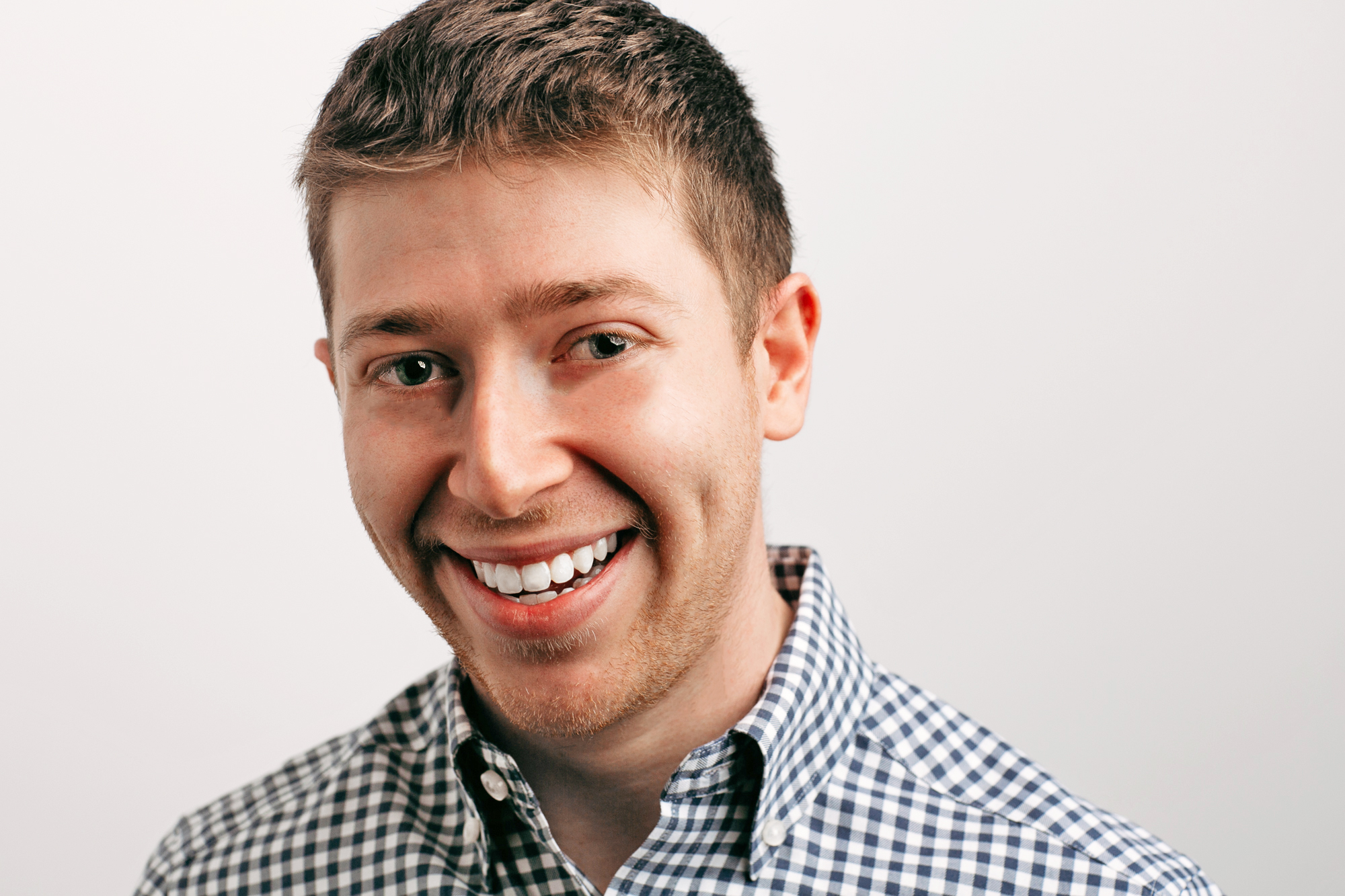
Drew Blumenthal is the founder and CEO of Digital Drew SEM, a results-driven, performance-focused digital marketing agency based in New York. With deep expertise in Google Ads, Meta advertising, SEO, website development, and social media management, Drew combines creative strategy with analytical precision to deliver measurable growth. He frequently shares insights on performance marketing, digital trends, and scalable strategies for business growth.